
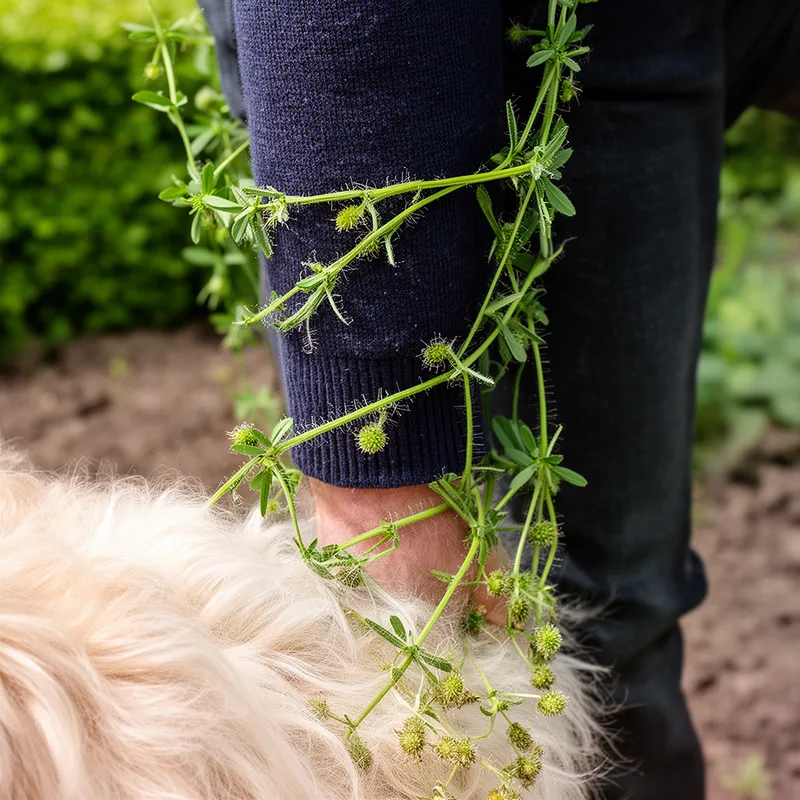
cleavers
- noun
- /ˈklivərz/
- The stems of cleavers cling to clothing and animal fur thanks to their tiny hooked bristles.
Examples
-
In spring, cleavers can quickly overrun gardens and hedgerows with their sprawling growth.
-
Herbalists sometimes use dried cleavers to prepare traditional teas for health purposes.
-
The cleavers are often found in damp areas.
-
Have you seen any cleavers growing near the river?
-
Herbalists sometimes use dried cleavers to prepare traditional teas for health purposes.
-
In spring, cleavers can quickly overrun gardens and hedgerows with their sprawling growth.
-
The stems of cleavers cling to clothing and animal fur thanks to their tiny hooked bristles.
Synonyms
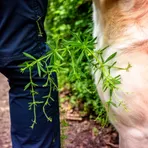
A plant with sticky stems and tiny hooked hairs that cling to clothing and animals
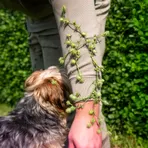
A plant with rough stems and many small hooks that cling to clothes and animals

A plant with many hooked hairs on its stems that cling to clothes and animals

An annual plant with sticky, prickly stems that cling to clothes

A small plant with curved prickly stems that stick to clothes and animal fur
Compounds
- Specialized
A small plant with curved prickly stems that stick to clothes and animal fur

A common plant that lives for many years with small yellow flowers and sticky stems
Surface Forms
Morphology
Etymology
Cleavers comes from an Old English verb cleave meaning 'to cling' or 'stick'. The plant has tiny hooked bristles that cling to clothes and animal fur, so people named it cleavers because it 'sticks' to you.

