

spring cleavers
- noun
- /sprɪŋ ˈklivərz/
- Specialized
- The prickly stems of spring cleavers can stick to clothing and animal fur.
Examples
-
Gardeners often remove spring cleavers to prevent them from overtaking other plants.
-
The field was filled with spring cleavers growing among the grasses.
-
The spring cleavers grow abundantly in the wetland areas.
-
Have you ever seen a spring cleaver in bloom?
-
The prickly stems of spring cleavers can easily cling to your clothes when you walk through the fields.
-
Gardeners often struggle with spring cleavers since they can quickly spread and take over a garden bed.
-
In early spring, spring cleavers are one of the first plants to appear in the lush green meadows.
Synonyms
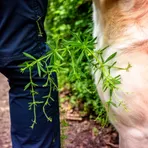
A plant with sticky stems and tiny hooked hairs that cling to clothing and animals

A plant with many hooked hairs on its stems that cling to clothes and animals
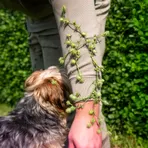
A plant with rough stems and many small hooks that cling to clothes and animals

An annual plant with sticky, prickly stems that cling to clothes
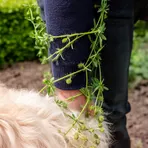
A small climbing plant with thin stems covered in tiny hooked hairs that stick to clothes and fur
Surface Forms
Morphology
This is a straightforward noun + noun modifier construction where 'spring' (the season) specifies the time or variety of 'cleavers' (the plant), so the phrase means cleavers that appear or are associated with spring. The meaning is directly derivable from the constituents and follows common compounding patterns, so a B1 learner who knows both words would understand it.
Etymology
Spring cleavers is a plant name that comes from two simple ideas: it appears in spring, and cleavers describes the hooked stems that grab and 'stick' to clothes and animal fur. So the name makes a clear picture to help you remember this prickly plant.

