

glacial epoch
- noun
- /ˈɡleɪʃəl ˈiːpɒk/
- Specialized
- Scientists study fossil records to understand the climate changes that occurred during glacial epochs.
- the last glacial epoch
Examples
-
We're going to have another glacial epoch.
Blog text (14) -
Carbon dioxide drove the ending of the last glacial epoch.
Academic text (2012) -
Reading to the end of the last glacial epoch, J. Harte (FOR) OCT 13 #
Academic text (2012) -
Maybe like other glacial epochs, e.g., our current one, it was brought on by tectonic continental configuration.
Blog text (3) -
During the last glacial epoch, large parts of North America were covered by ice sheets.
-
The glacial epoch that ended about 10,000 years ago shaped much of the landscape we see today.
Synonyms

 24
3.4
24
3.4

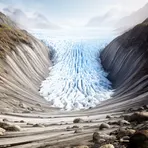
A long time when much of Earth is covered by ice and very cold
 3
7.9
3
7.9
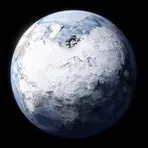
Large areas covered by very thick ice that change the land
 1
6.6
1
6.6
A long time when large parts of the Earth are covered by thick ice
 1
9.9
1
9.9
A period of Earth's history from two million to eleven thousand years ago with many ice ages and early humans
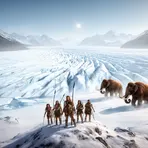
A long period of Earth's history with ice ages and early humans
Surface Forms
Morphology
The meaning of 'glacial epoch' is directly and compositionally derived from 'glacial' (relating to glaciers) + 'epoch' (a span of geological time), so a learner who knows both constituents can infer it refers to a time period dominated by glaciers. This noun–noun combination follows transparent semantic composition and has clear parallels in many languages (e.g., Spanish 'época glacial', French 'époque glaciaire'), making it accessible to B1 learners who know the words.
Etymology
Glacial epoch brings to mind giant rivers of ice covering the land for a very long time. The word glacial refers to those glaciers and epoch means a 'long period', so the phrase means a 'long cold time' when ice covered large areas.