
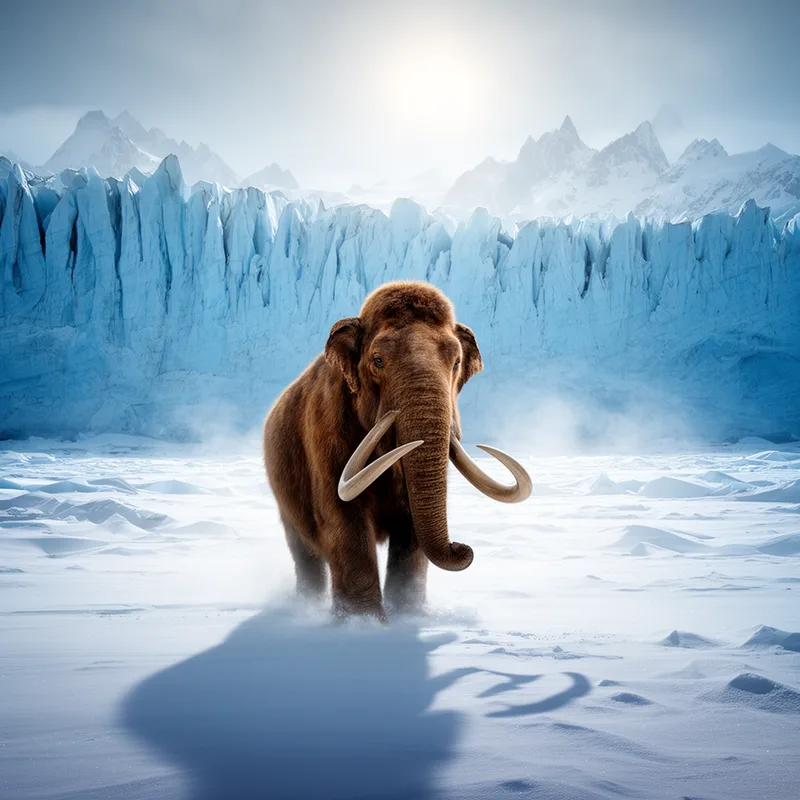
ice age
 24
3.4
24
3.4

- noun
- /aɪs eɪdʒ/
- During the last ice age, much of North America was covered by massive glaciers.
- the last ice age
- a new ice age
Loading YouTube…
Watch on YouTubeAnd that's when, you know, our last Ice Age really ended.
- And that's when, you know, our last Ice Age really ended.
- And I said, well, this has not been detected in Ice Age layers of ice cores.
- It's the sun we're coming out of, the Little Ice Age, cosmic rays, and so on.
- So this was what launched the Little Ice Age.
- And we went into the first phase of the Little Ice Age.
- It is a natural asphalt spring that has been gurgling away since the last Ice Age.
- They got through ice ages, droughts, famines, disease, everything.
- Have you ever heard of the Ice Age?
Examples
-
So we really have the Ice Age to thank for our existence and we have the Indian subcontinent's collision with Asia to thank for the Ice Age.
-
Eighteen thousand years ago, toward the end of the last ice age, sea levels began to rise dramatically.
Academic text (2007) -
And then as we came out of the last Ice Age, we came up to the present, the present sea level rise.
-
How many people actually know that we are in the place to see an Ice Age today?
-
Ten thousand years ago, we were coming out of an ice age.
Fiction book (1995) -
Sea levels been rising, not as rapidly as it did as we came out of the last Ice Age, but still rising.
-
So as you go back in time to the last Ice Age, we know Earth was, like, covered in ice and glaciers.
-
Meanwhile, scientists say a prehistoric lion cub discovered in Siberia is the best preserved Ice Age animal ever found.
-
They also found that less nutritious grasses colonize the Arctic steppe during the last Ice Age, potentially contributing to the mammoth's decline.
-
Similarly, mastodons and woolly mammoths, extinct since the last ice age, are routinely uncovered with the flesh intact (32, 33).
Academic text (1993)
Synonyms
 1
6.6
1
6.6
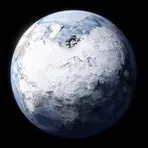
A long time when large parts of the Earth are covered by thick ice
A long period when large areas of Earth are covered by thick ice
How Cold
24
3.4

- Specialized
1
6.6
- Specialized
2
8.8
- Specialized
3
7.7
Surface Forms
Morphology
The compound meaning is directly compositional: 'ice' (frozen water) + 'age' (a period of time) yields a period characterized by extensive ice coverage. This same construction exists across many languages (e.g. Spanish 'Edad de Hielo'), so a B1 learner who knows both constituents will readily infer the intended meaning.
Etymology
Ice age comes from the simple picture of lots of ice lasting for a long age. It refers to a 'long time' when large parts of the Earth were covered by big sheets of ice and the weather was much colder.