

Pleistocene epoch
- noun
- /ˈplaɪstəˌsiːn ˈɛpɒk/
- Specialized
- late Pleistocene epoch
Examples
-
Climate change kicked into high gear during the Pleistocene epoch, whose alternating cold, dry ice ages and warm, humid intervals were a tumultuous time for all animal and plant evolution.
Academic text (2008) -
During the Pleistocene epoch, woolly mammoths roamed across North America and Europe, adapting to the cold climate.
-
The Pleistocene epoch was characterized by significant glaciations that shaped the Earth's landscape and ecosystems.
-
Scientists study fossils from the Pleistocene epoch to understand the evolution of modern species, including humans.
Synonyms

 1
9.9
1
9.9

A period of Earth's history from two million to eleven thousand years ago with many ice ages and early humans
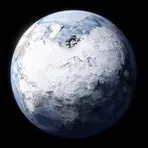 1
6.6
1
6.6
A long time when large parts of the Earth are covered by thick ice
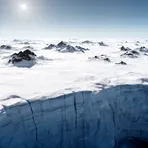
A long period when large areas of Earth are covered by thick ice
Surface Forms
Morphology
The phrase simply names a specific geological time unit: combining the proper name 'Pleistocene' with the noun 'epoch' directly yields the meaning 'the Pleistocene geological epoch'. This is fully compositional and parallels naming patterns in other languages, so a learner who knows the constituent words will readily understand it.
Etymology
Pleistocene epoch takes its name from old Greek: pleisto- meaning 'most' and -cene meaning 'new'. Scientists used that 'most new' name for the long, cold time just before the warm time we live in now, so the phrase points to the recent ice-age time when big ice sheets and early humans lived.