
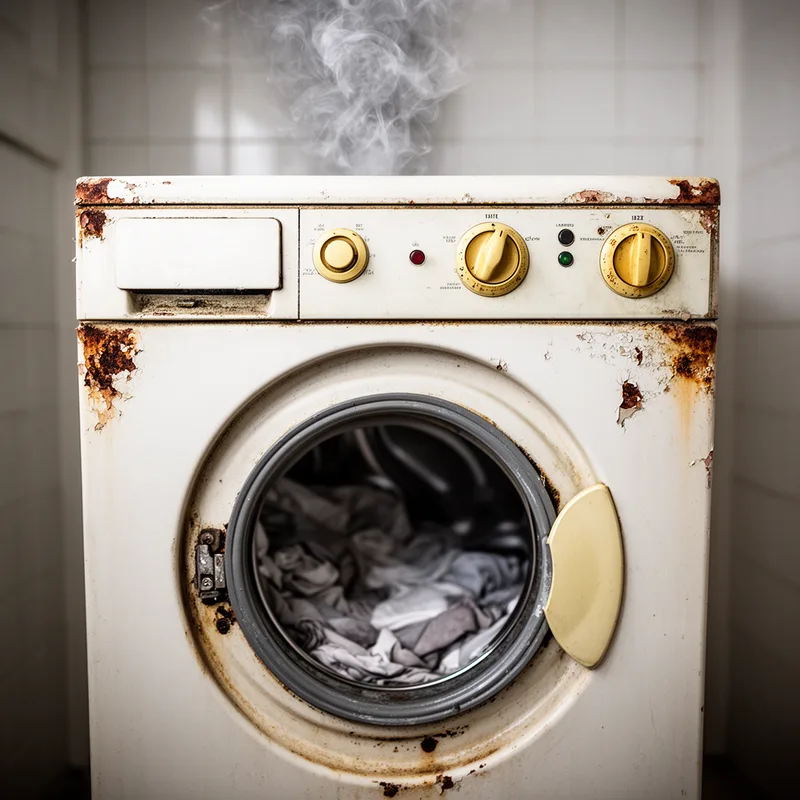
to give up
 14
2.6
14
2.6

- phrasal verb
- /ɡɪv ʌp/
- The old printer finally gave up after years of faithful service and stopped working completely.
Loading YouTube…
Watch on YouTubeMy can't I have less access my a mouse even less and you know, microbe my interface has given up.
- My can't I have less access my a mouse even less and you know, microbe my interface has given up.
Examples
-
Its answer was to give up and shut down.
Fiction book (1991) -
With a face soaked in sweat, Grandfather Melesio gave up working because of the lack of light.
Fiction book (1994) -
Unfortunately, he had to give up all sports for two years; it was very hard.
Blog text (8) -
Billie respected them for that, and she envied them because she'd had to give up on her own marriage.
Fiction book (2002) -
The horn blasted for a minute or two, then gave up in a hoarse bleat.
Fiction book (1994) -
After several attempts to fix the broken appliance, it gave up and no longer functioned.
-
When the car engine started making strange noises, it eventually gave up and refused to start.
Synonyms
 57
4.1
57
4.1
To stop working or run out so nothing is left
 35
4.2
35
4.2
Break or fail because of pressure
 33
3.5
33
3.5
Stop working and need repair
 11
6.8
11
6.8
To stop working or fail completely
 4
8.1
4
8.1
To die or stop working after a long time of problems

To stop working or to die after a long time of getting worse
Antonyms

How Functional

Surface Forms
Morphology
give + up
The sense 'to stop functioning' is partially derivable from 'give' (to yield/stop resisting) plus the particle 'up' (completion or cessation), so learners may guess a meaning related to stopping or failing. However, the specific intransitive phrasal-verb sense for machines is a metaphorical extension and the exact nuance is not fully predictable without exposure, so it is only partially transparent.
Etymology
Give up is used for machines in the same way people stop: picture a tired engine that 'gives' its power up and falls still. That's why it means 'to stop working'.