

to fulminate


 1
9.5
1
9.5
- verb
- /ˈfʌlmɪneɪt/
- Specialized
- After the storm, a fulminating outbreak of respiratory illness arose in the community.
Examples
-
In just a few hours, the fulminating symptoms of the disease became apparent, alarming the medical team.
-
The unintegrated elements activate the virulence of the fulminating powers that strike at each other throughout the drama.
Academic text (1998) -
One of the most dangerous medical crises we face today is the spread of antibiotic resistance among pathogenic organisms: lest we forget, as recently as the 1930s, fully 30% of us could expect to die of a fulminating bacterial infection.
Blog text (16) -
The doctor explained that the patient's condition could deteriorate rapidly due to a fulminating infection.
Synonyms
 140
3.8
140
3.8
To start suddenly, often with something dangerous like a fire or disease
 123
4.2
123
4.2
To suddenly start in a strong or violent way, often showing strong feeling
 23
4.7
23
4.7
To become suddenly stronger or worse, often for a short time
 5
5.4
5
5.4
Suddenly start to happen with a lot of energy
 1
4.6
1
4.6
To suddenly start burning strongly or become much more intense
Antonyms

Phrasal Verbs

Compounds

- Specialized
1
9.9
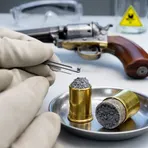
A very sensitive explosive used in small caps to start larger explosions
- Specialized
A very sensitive explosive used in detonators and percussion caps
How Sudden
- Specialized
1
9.5
 123
4.2
140
3.8
873
1.0
905
1.6
123
4.2
140
3.8
873
1.0
905
1.6
Surface Forms
Morphology
fulminate = fulmin + ate
The sudden/intense medical sense is a specialized or metaphorical usage and cannot be reliably derived by a typical learner from 'fulmin' + '-ate'.
Etymology
Fulminate comes from the Latin word fulmen 'lightning', giving the image of something that 'strikes' suddenly. That's why in medicine to fulminate means to appear or get worse very quickly and intensely.