

to fulminate
 1
9.9
1
9.9

- verb
- /ˈfʌlmɪneɪt/
- Specialized
- While handling explosives, it's crucial to avoid conditions that might cause them to fulminate unexpectedly.
Examples
-
The scientists warned that the unstable compound could fulminate if exposed to air.
-
The inventor carefully designed the device to prevent the chemical from fulminating during transportation.
-
After that, the mercury fulminate will detonate the explosive.
Fiction book (1994) -
And God intervenes and, and through lightning and fulminates and then kills them.
-
The American and the Englishman seemed more pragmatic, consulting with French munitions experts about a type of fulminating bomb that might be attached to a Martian machine's kneecap if only some way could be found to carry it there... and to get the machine to stand still while it was attached.
Fiction book (1996)
Synonyms
 579
2.8
579
2.8
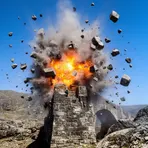
To burst suddenly and violently, making a loud noise and flying pieces
 534
2.7
534
2.7
To cause something to explode violently
 192
6.5
192
6.5
Cause something like a bomb or firework to explode suddenly and violently
 66
4.1
66
4.1
To make a sudden very loud sound that startles people
Phrasal Verbs



Compounds

- Specialized
1
9.9
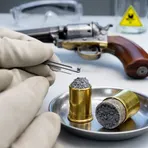
A very sensitive explosive used in small caps to start larger explosions
- Specialized
A very sensitive explosive used in detonators and percussion caps
How Violent
- Specialized
1
9.9
 534
2.7
192
6.5
131
3.1
66
4.0
534
2.7
192
6.5
131
3.1
66
4.0
Surface Forms
Morphology
fulminate = fulmin + ate
The sense 'to cause to explode' is specialized and not transparently deducible from the morphemic pieces for an average learner.
Etymology
Fulminate comes from the Latin word fulmen 'lightning', which gives the idea of a sudden, violent strike. So to fulminate can mean to make something explode or burst with a loud noise.