
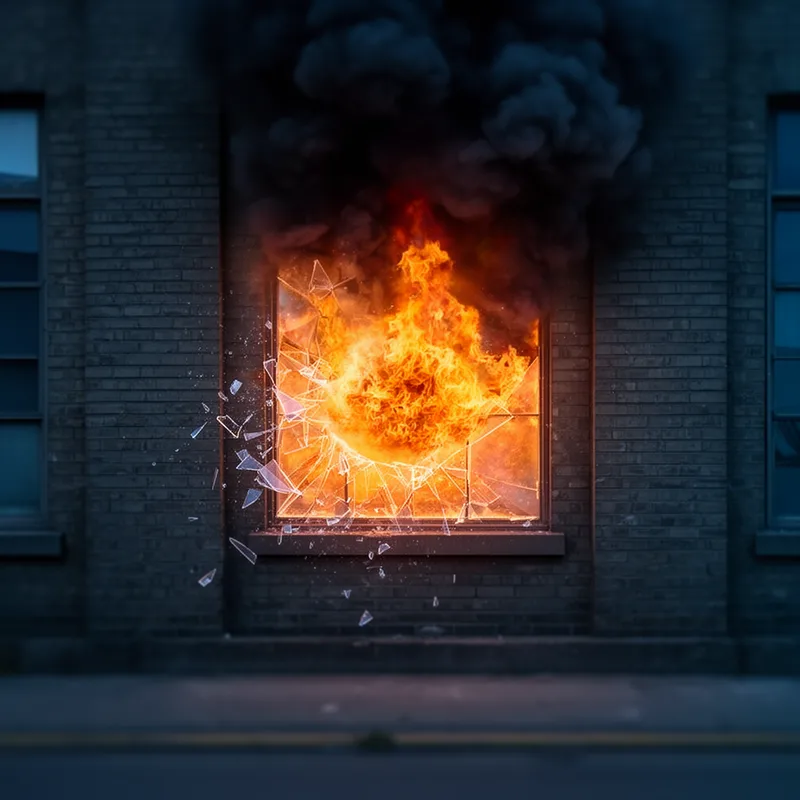
to break out
 140
3.8
140
3.8

- phrasal verb
- /breɪk aʊt/
- Two months after I arrived at the school, World War II broke out in Europe.
- war broke out
- fights broke out
- revolution broke out
Loading YouTube…
Watch on YouTubeBut yes, it sort of broke out during World War One.
- But yes, it sort of broke out during World War One.
- By week's end, protests would break out across the UK.
- In the Middle East, in Jerusalem, violent riots broke out opposing Arab and Jewish residents.
- Every single summer there are brush fires that break out.
- And I began to grow up when the Iranian conflict broke out.
- And they also will sit and wait and then a party breaks out.
- Who was the Superintendent of West Point when the war broke out?
- He became our ambassador to Damascus before the civil war broke out there.
- And after the riots broke out, we saw.
- So how do you prevent chaos from and hatred breaking out in Librax?
- Where you just saw civil wars breaking out across like North Africa and the Middle East.
Examples
-
Street fighting broke out and the Emir soldiers fled.
-
A revolt has broken out in the East.
-
A war just broke out up on Earth.
-
A fight broke out almost every night.
-
By week's end, protests would break out across the UK.
-
We'd been there three months and war broke out and we had to leave.
-
For the first time, fighting broke out in an area near the capital San'a.
Academic text (2012) -
A fire broke out at a Samsung battery factory.
-
In 1969, the disease broke out in Afghanistan and began sweeping westward.
Academic text (2013) -
A major outbreak of the disease broke out in the region, prompting health officials to respond quickly.
Synonyms
 123
4.2
123
4.2
To suddenly start in a strong or violent way, often showing strong feeling
 51
4.4
51
4.4
To become suddenly more intense, often about anger or violence
 23
3.8
23
3.8
Begin suddenly in a violent or noisy way
 23
4.7
23
4.7
To become suddenly stronger or worse, often for a short time
 5
5.4
5
5.4
Suddenly start to happen with a lot of energy
 2
3.4
2
3.4
Start suddenly and appear or happen quickly
 1
4.6
1
4.6
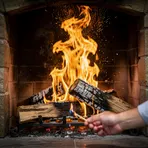
To suddenly start burning strongly or become much more intense
Antonyms


How Sudden
579
2.8
 23
4.7
140
3.8
123
4.2
∞
1.0
249
3.5
23
4.7
140
3.8
123
4.2
∞
1.0
249
3.5
Surface Forms
Morphology
The components 'break' (separate/move away) and 'out' (toward the exterior) give a sense of moving or revealing something outward, which can be extended to presenting a product. However, the commercial sense of formally 'launching' or 'introducing' a product is a metaphorical extension rather than a direct compositional meaning, so a B1 learner who knows the words might not reliably infer this specific usage.
Etymology
Break out may come from seeing fire or trouble push through a wall or fence and come into view suddenly: the thing breaks free and comes out, so the phrase means 'to start suddenly', especially for bad events.