

to flare
 48
4.4

- verb
- /flɛr/
- So when I flare up, when emotions flare up for me, it goes straight there for me.
- tempers flared
- tensions flared
- flared into violence
Loading YouTube…
Watch on YouTubeYou know, that thing gets me, you know, makes me flare a little, you know, make my make my loins turn into lions.
- You know, that thing gets me, you know, makes me flare a little, you know, make my make my loins turn into lions.
- I bet those feelings flare up for you.
- Low contact means that you get out before the emotions start to flare, and when you sense the baiting starting and coming out, you gracefully find the exits.
- He would mask it through charm, but sometimes his true self would flare up.
- Another trick is drink a glass of water because that typically can satiate that appetite that flares up.
- Well, it turned out he lied because he wanted to go overseas, so it flared up.
- And he says that this tension between desire and non fulfilment does not lead to envy until it flares up against in hatred against the owner.
Examples
-
Tempers are beginning to flare.
-
Though tension was constant, it would flare up especially after days in which fights occurred at school.
Academic text (2001) -
I bet those feelings flare up for you.
-
You know, it would flare up every so often, but she stayed mad about it through all eight years.
-
But every now and then your feelings flare up and that's OK.
-
No, Tony, don't flare up.
-
When Law feels her temper starting to flare, she simply takes a timeout.
Academic text (2002) -
Witness the debates that flare up over today's movies: Is Avatar anti-American?
Academic text (2011) -
At times, tempers flared, and many of the men were unhappy with Powell's leadership.
Academic text (2007) -
Tempers often flare at family gatherings during heated discussions.
Synonyms
 117
4.2
To suddenly start in a strong or violent way, often showing strong feeling
 114
3.5
To suddenly show a strong feeling, often anger
 105
5.0
To continue with great force like a storm or fire
 66
4.7
To suddenly become very angry and lose control
 62
3.4
To rise suddenly and sharply
 52
4.1
To move suddenly and strongly forward or upward, like a wave
 37
4.7
To become suddenly stronger or worse, often for a short time
 29
7.5
Suddenly become very angry
 16
3.3
Suddenly say something or make a loud sound
 10
4.4
To move very fast in a way people notice
 7
5.4
Suddenly start to happen with a lot of energy
 6
6.8
To become very angry suddenly
 6
7.4
To suddenly become very angry
 5
6.7
Become suddenly stronger or easier to notice after a quiet time
 3
4.6
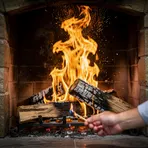
To suddenly start burning strongly or become much more intense
 2
8.2
To become suddenly very angry and lose control
 1
4.7
To start suddenly and strongly, like an argument or a strong feeling
Antonyms

Phrasal Verbs

Compounds
- Specialized
16
6.5
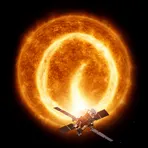
A sudden burst of strong energy from the sun that can disrupt radio and satellite signals


- Specialized

 1
9.7
A small red star that suddenly becomes much brighter for a few minutes because of explosions on its surface

- Jargon
1
7.0
A short forward pass to a player running toward the sideline in American football

- Specialized
A line of lights showing the edge of a runway to guide pilots at night or in fog
How Intense

Surface Forms
Etymology
Flare as a verb for emotions or violence comes from the idea of 'flaming up', similar to flame, so tensions can flare when they suddenly grow worse or more intense. The root image makes clear why flare means a sudden rise.