
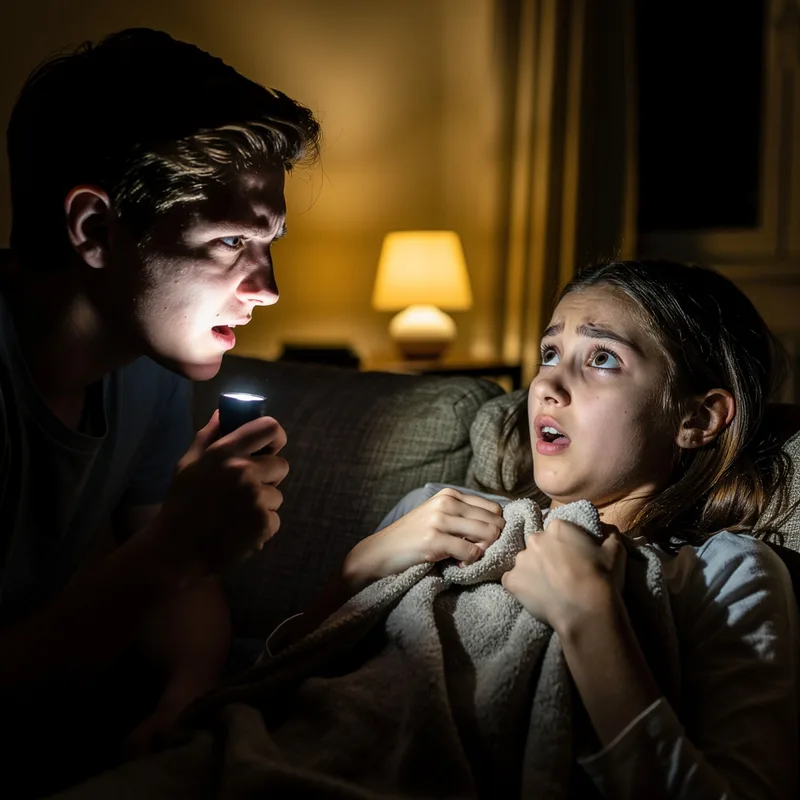
to fright
 2
3.2
2
3.2

- verb
- /fraɪt/
- The loud thunderclap might fright small children during the storm.
Loading YouTube…
Watch on YouTubeThe sound that we hear though, it's something that frightens people or it is awkward.
- The sound that we hear though, it's something that frightens people or it is awkward.
- And then and then you frighten yourself with that, that thought.
- And speaking as an Englishman, we did over there, but frighten them, that's not going to work.
- Big, enthusiastic crowds frighten the Trump team.
- I just got it two months ago because I had some sanding work that would frighten any person.
- So, yeah, tape talks works, but you might frighten whoever is sleeping next to you 'cause it looks crazy.
- Partisanship actively frightens, actively frightens voters.
- I mean, you, you look at MSNMSM every, every single day, the whole front page is full of stories designed to frighten you.
- He is trying to frighten us thinking that if the Republicans win, our rights will be taken away.
- Some what they did, they frightened the Tories.
- And I think the thing that used to frighten the crap out of me was artificial intelligence.
- I mean, you know, they're set out to frighten and make you cry films.
- He said you've been through too much to just frighten my Now you come on.
- The most common side effect by none is which can frighten you so much is to get dark coloured bowel motions or black stools when you first start taking iron.
- I mean, and I swear my life just the truth just so I'm gonna frighten, you know, a woman came out and me woman's turned me up and she's beating me chest.
Examples
-
The name of Mortimer shall fright the king.
-
l can not fright these people.
-
This is to make an ass of me; to fright me, if they could.
-
So we try to challenge and frighten ourselves.
-
And then and then you frighten yourself with that, that thought.
-
In any case, the idea then was to frighten people in order to reform their habits.
-
Well, to fright them hence with the dread penalty.
-
There are more things, Leukilius, likely to frighten us than there are to crush us.
-
He is trying to frighten us thinking that if the Republicans win, our rights will be taken away.
-
I, I don't want to frighten you, but yes, so there's a possibility.
Synonyms
 ∞
1.0
∞
1.0
To make someone feel afraid or unsure of themselves
 540
1.0
540
1.0
To make someone feel afraid
 294
4.9
294
4.9
To frighten someone so they do what you want
 148
3.2
148
3.2
To make someone feel very frightened
 145
6.7
145
6.7
To frighten someone very much by using threats or violence
 97
4.8
97
4.8
To suddenly frighten a person or animal so they panic
 90
4.3
90
4.3
Make someone feel very shocked, afraid, or disgusted
 59
3.7
59
3.7
To frighten someone very much
 56
6.7
56
6.7
To make someone very afraid
 5
8.8
5
8.8
To make someone very afraid
 5
9.0
5
9.0
To frighten someone very much by a sudden event or loud noise
 3
8.2
3
8.2
Make people very afraid and make them respect you by showing power
 3
6.9
3
6.9
To frighten someone very much
 3
5.6
3
5.6
To make someone very afraid

To suddenly scare someone and make them jump

To cause sudden fear in someone
Antonyms


Compounds


How Scary

Surface Forms
Etymology
Fright as a verb comes from the same old root meaning 'fear' and is like the related verb frighten, so to fright someone is to make them feel sudden fear.