

to startle
 131
3.7
131
3.7

- verb
- /ˈstɑːrtəl/
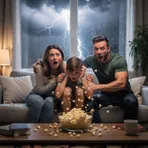
- The loud bang from the fireworks startled the children, causing them to jump in their seats.
- startle the audience
Loading YouTube…
Watch on YouTubeAnd you will be startled by what comes back because they're there.
- And you will be startled by what comes back because they're there.
- It's a fact and it startles you as a kid.
- Letting them know the new value which will startle them.
- Don't get a Peyton angry because his eye rolls and snappy comebacks can startle even the toughest of people.
- And I went to say goodbye and I gave him a kiss on the cheek and it startled him a little bit.
- It is so OK to not be making a lot of money as long as you're able to eat and you would be startled by how little money that takes.
- Start small, get strong, And overtime, you will be startled at how strong mentally, physically, emotionally you can become.
Examples
-
I didn't mean to startle you.
-
I'm sorry, did I startle you?
-
I'm sorry to startle you.
-
We didn't mean to startle you.
-
Didn't mean to startle you.
-
I'm sorry, I didn't mean to startle you.
-
Occasionally, I would be startled by sounds like a foreign song: vague, remarkable music.
Fiction book (1990) -
And I went to say goodbye and I gave him a kiss on the cheek and it startled him a little bit.
-
The woman sitting in the adjacent stool startled me by talking.
Academic text (2007) -
Once more, it was Carla who startled us all by appearing suddenly in the doorway.
Fiction book (1990)
Synonyms
 202
2.1
202
2.1
To cause someone to feel sudden surprise and distress
 133
1.9
133
1.9
To make someone feel afraid or worried about possible danger
 97
4.8
97
4.8
To suddenly frighten a person or animal so they panic
 15
4.0
15
4.0
To surprise someone so they are not ready to react
 12
5.8
12
5.8
To cause a sudden feeling of fear or strong excitement that makes someone shiver
 8
4.3
8
4.3
To surprise someone and make them react
 5
8.8
5
8.8
To make someone very afraid
 5
9.0
5
9.0
To frighten someone very much by a sudden event or loud noise
 3
5.6
3
5.6
To make someone very afraid
 2
8.1
2
8.1
To surprise someone suddenly and very strongly

To frighten or startle someone and make them pull back suddenly

To suddenly scare someone and make them jump
Antonyms

Compounds

- Specialized
1
6.6
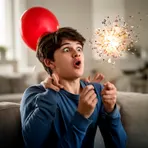
A quick automatic reaction to a sudden sound or movement that makes you jump
- Specialized
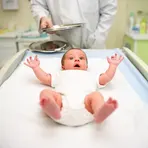
A quick change in your body and feelings when something suddenly surprises you, like a loud noise
How Startled

Surface Forms
Morphology
Etymology
Startle comes from the familiar word start, which means 'a sudden movement or surprise', and the ending -le makes it an action word. So to startle someone is to cause them to react quickly or become suddenly alert.