
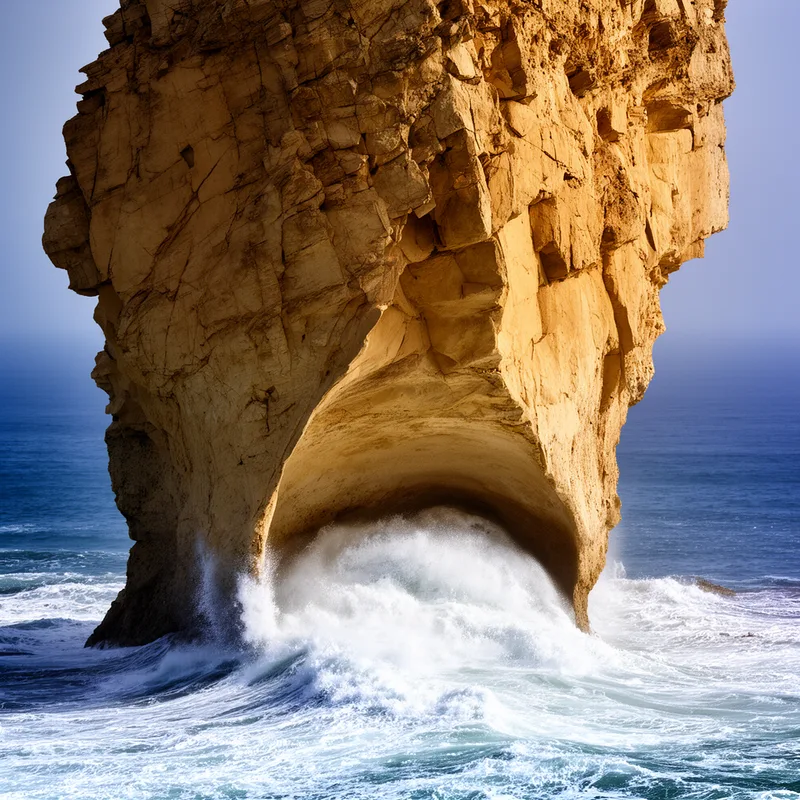
erosion
 34
3.7
34
3.7

- noun
- /ɪˈroʊʒən/
- Specialized
- The heavy rain caused significant erosion of the riverbank over the past few weeks.
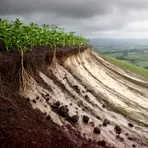
- soil erosion
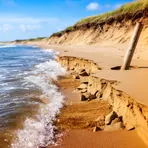
- shoreline erosion
- erosion control
Loading YouTube…
Watch on YouTubeYou know, we just watched the water, the waves, the erosion, the birds.
- You know, we just watched the water, the waves, the erosion, the birds.
- Like the Sphinx is is completely destroyed by erosion and and water erosion.
- So this spot's super sketch, and I'm blocking the hole right now, but there's just a erosion spot in this, like, side wall, essentially.
- The the Sphinx in the pyramids, the stones are showing erosion.
- Then Anton gave me a call to say that, yeah, here they're looking for people to fix the roads and and you know, deal with erosion controls and stuff.
- It helps prevent erosion, nutrient loss, things like leeching and whatnot.
- Well, there's definitely I feel that time jump related more towards I think the physical manifestation of erosion that I see in the morning.
Examples
-
Construction of the building that became the Coffeehouse caused massive erosion of soil into the nearby ravine.
Academic text (2011) -
The shoreline was altered by the erosion of time.
-
Ah, was there any erosion to the stone and sand base of the building?
-
I see big problems with beach erosion... and a heavy mortgage.
-
The book predicted an erosion rate of one foot a year in the new century.
Fiction book (1996) -
And solved all of their soil erosion problems.
-
We try to maintain the house as best we can, but with the cold and the rain it's impossible to stop the damp and erosion.
-
I'm preparing a report on soil erosion at the moment.
-
Notice how the edges are rounded, worn smooth by the erosion of water.
-
Visitors to Eritrea voice alarm at the extent of soil erosion and the degradation of the woodlands.
Academic text (1991)
Synonyms
 7
4.9
7
4.9
Slow wearing away of something by natural forces or repeated harm
 4
5.1
4
5.1
A slow wearing away of rock by water, wind, or ice
 2
3.6
2
3.6
The natural breaking of rocks into small pieces by wind, water, or plants
 1
6.0
1
6.0
The wearing down of rock by wind, water or ice
 1
7.4
1
7.4
Slow wearing away of a surface by rubbing or natural forces

Slow loss of a surface by water, wind, or rubbing

Slow loss of material as water or wind rubs it
The wearing away of rock by sand and small stones carried by wind, water, or ice

A slow wearing away of a surface when something rubs it
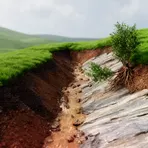
Removal of a surface layer, for example from skin or land by natural forces
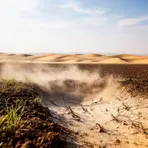
Wind removes soil and sand from land, causing erosion
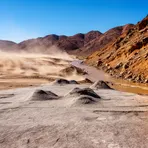
A process that wears away rock or soil to make a nearly level surface
Antonyms


Compounds
How Worn
6
6.2

- Specialized
34
3.7
- Specialized
1
7.4
4
6.1
470
3.3
Surface Forms
Morphology
Etymology
Erosion comes from the old Latin verb erodere, which meant 'to gnaw away'. So imagine water, wind or ice slowly 'gnawing' at rock and soil and wearing it away.