

weathering
 2
3.6
2
3.6

- noun
- /ˈwɛðərɪŋ/
- Specialized
- The clays are generally formed from the chemical weathering of feldspars.
- weathering rate
- chemical weathering
Examples
-
The natural loss of carbon from the atmosphere through weathering will work eventually, anyway.
Blog text (28) -
Weathering acts upon exposed surfaces, and the rate is a function of exposed surface area.
Academic text (2009) -
In the complete absence of rainfall, there can be little or no weathering, no vegetation, and hence no soil.
Academic text (1992) -
Rocks have varying degrees of resistance to weathering; in southern Utah, most sandstones are highly resistant and hence form steep cliffs.
Academic text (2009) -
The natural long-term sink for atmospheric CO2 is the weathering of silicates to stable magnesium and calcium carbonates.
Blog text (28) -
The process of weathering breaks down rocks into smaller particles over time due to wind and rain.
-
In mountainous areas, weathering significantly alters the landscape by wearing away rock formations.
-
Geologists study weathering to understand how rocks change and the role of natural elements in shaping the Earth's surface.
Synonyms
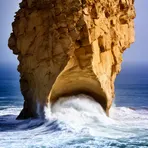 34
3.7
34
3.7
The gradual wearing away of land, rock, and other materials by forces such as water or wind
 4
5.1
4
5.1
A slow wearing away of rock by water, wind, or ice
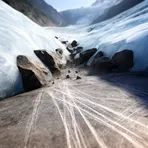 1
6.0
1
6.0
The wearing down of rock by wind, water or ice
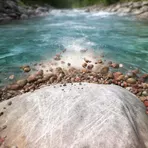
The wearing away of rock by sand and small stones carried by wind, water, or ice
Antonyms

How Broken
6
6.2

- Specialized
2
3.6
5
6.3
21
3.5

 1
6.1
1
6.1
Surface Forms
Morphology
Etymology
The word weathering comes from weather, the 'wind, rain, and sun' that work on the land. Over a long time these forces break rock into smaller pieces or soil, so weathering is the natural process that slowly wears rocks down.