

attrition
 1
7.4
1
7.4

- noun
- /əˈtrɪʃən/
- Specialized
- The constant rain caused significant attrition of the old stone walls over the years.
- war of attrition
- attrition rate
- process of attrition
Loading YouTube…
Watch on YouTubeIt was a new car then, but the attrition started quickly and they are just not common vehicles anymore.
- It was a new car then, but the attrition started quickly and they are just not common vehicles anymore.
Examples
-
An astounding teacher attrition rate continues to chip away at high-quality classroom instruction.
Academic text (2011) -
The attrition of the coastline has accelerated due to the powerful waves constantly battering the shore.
-
The most common cause of attrition is missing stock returns.
Academic text (2003) -
Short of having it taken away by raw force, liberty can be lost by attrition in any of several ways.
Academic text (1993) -
Thus, minority status by itself may not be the key factor in attrition.
Academic text (1995) -
Over time, however, natural attrition and new recruits to the ranks meant that independent decisions were necessary.
Blog text (25) -
Certain athletes seem to experience a gradual process of attrition until only two or three sports remain between which they have to decide.
Academic text (1990) -
There is going to be some attrition even though EVJ intends to support its staff.
-
Natural attrition in the forest can lead to the gradual erosion of soil and loss of plant life.
Synonyms
 43
5.9
43
5.9
A slow change when something like a building or a person's health becomes worse
 33
6.8
33
6.8
The process of making land, water, or buildings worse over time
 29
4.2
29
4.2
A slow loss of strength, value, or trust
 17
3.0
17
3.0
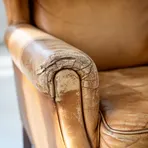
Slow damage that happens to things like cars or furniture from normal use over time
 7
4.9
7
4.9
Slow wearing away of something by natural forces or repeated harm
 4
5.1
4
5.1
A slow wearing away of rock by water, wind, or ice
 1
6.0
1
6.0
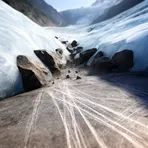
The wearing down of rock by wind, water or ice

A slow wearing away of a surface when something rubs it

Slow loss of a surface by water, wind, or rubbing
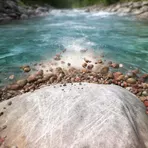
The wearing away of rock by sand and small stones carried by wind, water, or ice
Antonyms


Compounds


How Worn
6
6.2

- Specialized
34
3.7
- Specialized
1
7.4
4
6.1
470
3.3
Surface Forms
Morphology
attrition = attrite (transparent) = attrit + ion
A straightforward nominalization of the verb 'attrite' with the regular suffix '-ion', yielding the literal sense 'the process of wearing down'.
Etymology
Attrition comes from Latin parts ad- 'to' and terere 'to rub', the same root as trite 'worn out'. So think of sand or waves slowly rubbing a rock until it wears away, which is why attrition means gradual wearing by friction.