
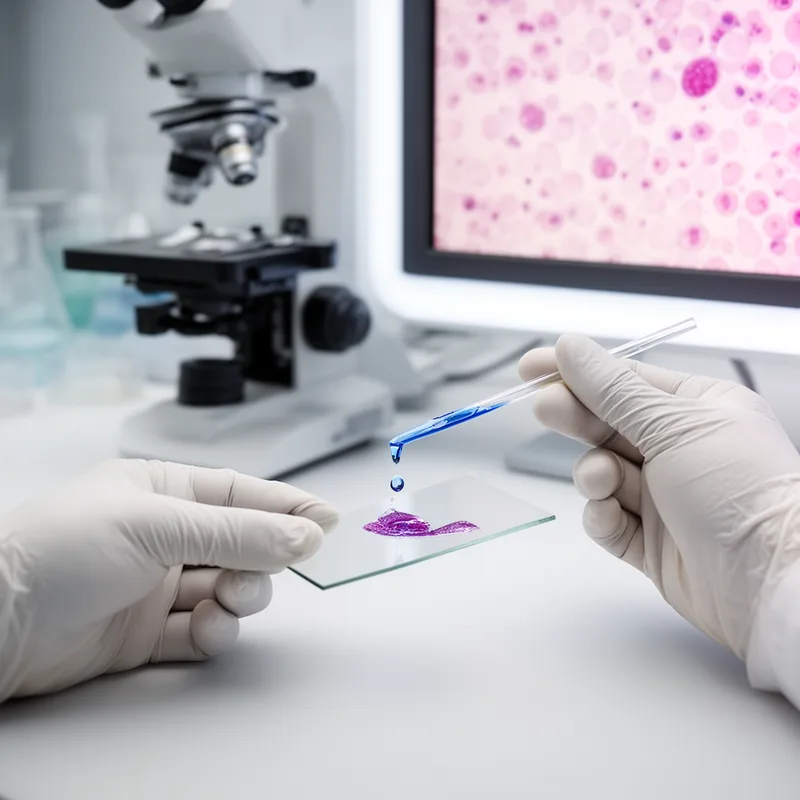
to dye
 1
6.3
1
6.3

- verb
- /daɪ/
- Specialized
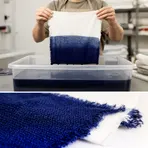
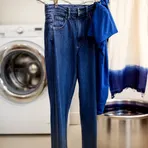
- For her art project, she decided to dye the cloth blue to create a unique effect.
Examples
-
To prepare the samples for analysis, they had to dye them with a fluorescent marker.
-
And then I was accused once by my sister feminists at a conference of dyeing it to attract men.
-
The process of making and writing a story, a poem, a novel, an essay, is like dyeing with indigo.
Blog text (16) -
Though the woman is no longer dyeing her hair, JolieGray recognizes her as the old whore.
Fiction book (2000) -
It has a natural coating that protects the fibers, and although a master can dye it, individual images.
Blog text (23) -
Goynes says there may be a way to use special lighting to detect these immature fibers before money is wasted on trying to dye them.
Academic text (1997) -
The scientist used a special chemical to dye the brain tissue for better visibility under the microscope.
Synonyms
 24
3.6
24
3.6
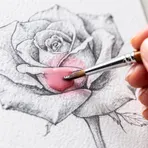
To add a small amount of color to something
 15
6.4
15
6.4
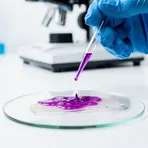
To use a dye to make parts of a sample visible under a microscope

To make something dark brown, especially parts of plants or insects
Idioms



Phrasal Verbs
Compounds


- Specialized
A man-made chemical with two linked rings used in photography and to stain cells

- Specialized
A dye that colours cotton and similar fabrics without using a fixing chemical
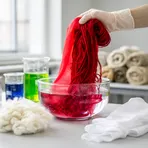



- Specialized
A substance that glows under ultraviolet light to show or track things in science
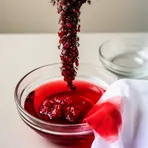
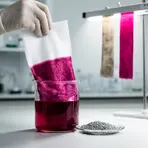
- Specialized
A dye that contains a metal to give strong, long-lasting colour to fabric

- Specialized
A dye that blocks X-rays to make organs or blood vessels visible on scans
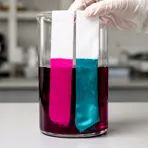
- Specialized
A coloring that sticks to fibers like cotton or rayon without extra treatment
How Visible

Surface Forms
Etymology
In science, to dye a specimen means to put color on tiny parts so they show up under the microscope, keeping the same idea of 'adding color' to make details easy to see. So scientific use of dye is still about making things visible by giving them color.