

to infuscate
- verb
- /ɪnˈfʌskeɪt/
- Specialized
- The leaves infuscate during the autumn months.
Examples
-
Some beetle species naturally infuscate the edges of their wing covers.
-
The scientist noted that the wings appeared to infuscate after exposure to sunlight.
-
As the seeds mature, their outer layer tends to infuscate, giving them a characteristic brown hue.
-
Some species of insects infuscate to blend into their environment.
-
As the seeds mature, their outer layer tends to infuscate, giving them a characteristic brown hue.
-
The wings of some moths infuscate after exposure to light, taking on a darker appearance.
-
Some species of insects infuscate their bodies to better blend into their surroundings.
Synonyms
 113
3.2
113
3.2

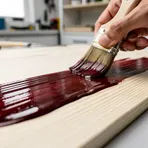
To put color on something to change how it looks
 1
7.7
1
7.7
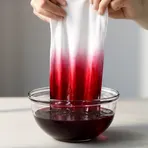
To give a material or object a deep color
 1
6.3
1
6.3
To add color to a small sample of cells so parts show under a microscope


 1
5.1
1
5.1
To add color to something by applying a colored substance or by natural change
Antonyms

How Dark

Surface Forms
Morphology
infuscate = fuscate (opaque) = in + fusc + ate
The root 'fusc' is not a standalone English word, making the derivation less clear to learners.
Etymology
Infuscate comes from Latin parts in- 'in' and fuscus 'dark', the same root you see in the English word obfuscate 'to make unclear' or 'to darken' an idea. So to infuscate is to make something darker or to stain it with a brownish, dark color.