
to imbue
 1
7.7
1
7.7

- verb
- /ɪmˈbjuː/
- The emphasis on old age as a disease in the 1890s also imbued the private facility with respectability for the middle class.
Examples
-
Artistic license imbued the stage setting for the Venusberg with soft pink lighting, a departure from what Wagner had witnessed in 1842.
Academic text (1998) -
The artist's vibrant colors imbue the painting with a lively energy.
-
Hylozoism is the belief that all objects are imbued with life.
Academic text (1990) -
Each used a constellation of symbols, rituals, and rhetoric to imbue a sense of identity and solidarity among its followers.
Academic text (1992) -
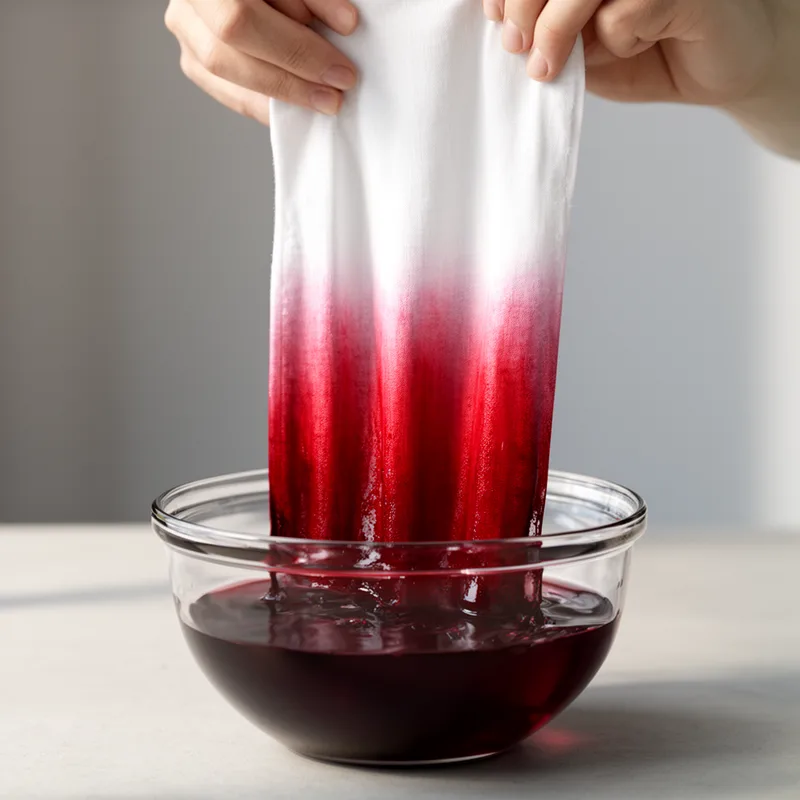
His black fur robes, treated with purple dye to imbue them with the royal hue, rustled softly as he once again settled himself into his throne.
Fiction book (1991) -
Advanced (avant-garde) artists of the nineteenth and early twentieth centuries sought to imbue their work with a personal sensibility that is the cultural heritage of romanticism.
Academic text (2002) -
Extracting the essence of the herbs imbues the oil with a rich flavor.
-
The soft lighting in the room imbues the space with a relaxing atmosphere.
Synonyms
 854
1.0
854
1.0
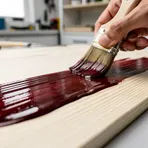
To put coloured liquid on a surface to protect or change how it looks
 228
1.0
228
1.0
To make something a different shade by painting or dyeing
 113
3.2
113
3.2
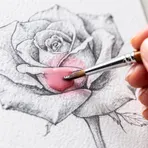
To put color on something to change how it looks
 24
3.6
24
3.6
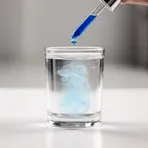
To add a small amount of color to something
 12
6.8
12
6.8
To fill something with light or strong feeling
 8
7.6
8
7.6
To spread slowly through something, often as light, color, or a feeling
 3
7.4
3
7.4
To fill something completely with a liquid or chemical


 1
5.1
1
5.1
To add color to something by applying a colored substance or by natural change
 1
4.8
1
4.8
To add a small amount of color or feeling to something
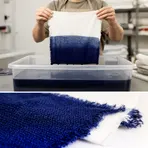
To color fabric all the way through so the color lasts
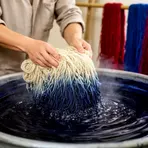
To dye wool or cloth so the color stays deep

Cause light, color or liquid to spread through something

To stain something with blood or another dark liquid

To make something dark brown, especially parts of plants or insects

To give something a very light color
Antonyms

How Colored

Surface Forms
Etymology
Imbue comes from the Latin verb imbuere, which meant 'to wet' or 'stain'. Think of dye soaking into cloth: to imbue a fabric is to let color sink in deeply, which is why the word also means to give a strong color or tone.