
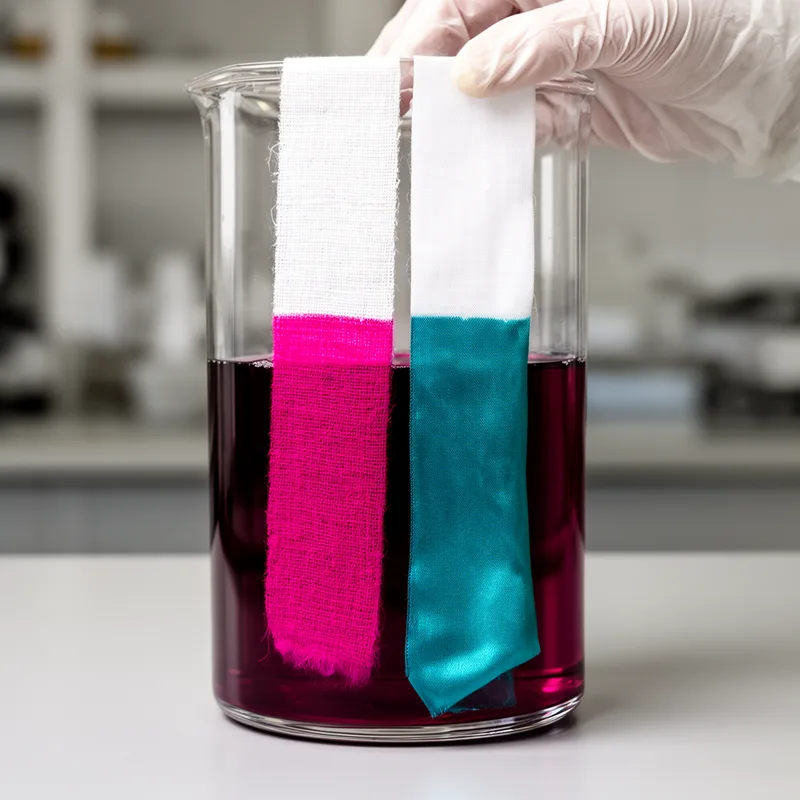
substantive dye
- noun
- /ˈsʌbstəntɪv daɪ/
- Specialized
- Unlike acid dyes, a substantive dye can dye cotton directly without needing a mordant.
Examples
-
Cotton fabrics are often colored with substantive dye because of its strong attraction to cellulose.
-
The textile industry values substantive dye for its simplicity of application to rayon.
-
A substantive dye is essential for dyeing cotton fabric.
-
We used a substantive dye to achieve vibrant colors.
-
The artist chose a substantive dye to give her cotton canvas a brilliant blue hue.
-
Many fabric manufacturers prefer substantive dye because it bonds well with cotton fibers.
-
Using a substantive dye allows for rich, lasting colors on rayon without additional chemicals.
Synonyms

A dye that colours cotton and similar fabrics without using a fixing chemical
Surface Forms
Morphology
The ordinary adjective 'substantive' (meaning important or significant) does not convey the technical chemistry sense of 'having natural affinity for fibres', so a B1 learner who knows the constituent words would likely interpret 'substantive dye' as an 'important dye' rather than a dye that bonds to cellulose without a mordant. This specialised, discipline-specific meaning is not predictable from the parts and therefore opaque to general learners.
Etymology
Substantive dye may come from the idea that the word substantive means having its own 'substance', so the dye can stick to cloth by itself. That's why the term means 'a dye that attaches to fibers without a mordant'.

