
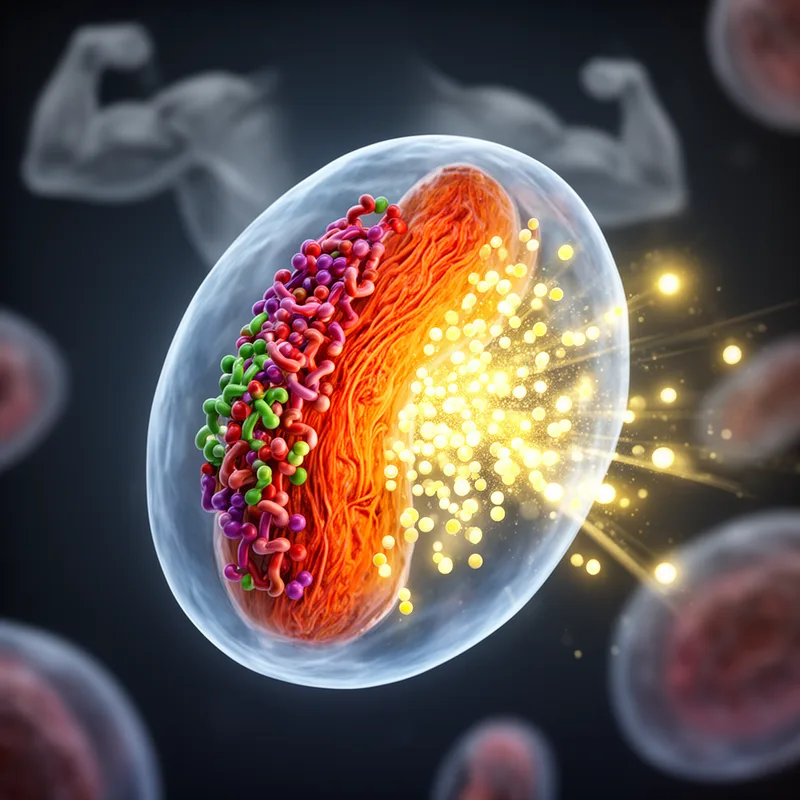
dissimilation
- noun
- /ˌdɪsɪˈmɪleɪʃən/
- Archaic
- Scientists study dissimilation to understand how cells obtain energy from nutrients.
Examples
-
During intense exercise, dissimilation provides the necessary energy for muscle contraction.
-
Many metabolic diseases interfere with normal dissimilation processes in the body.
-
The process of dissimilation is crucial for cellular respiration.
-
During dissimilation, energy is often released as a byproduct.
-
Many metabolic diseases interfere with normal dissimilation processes in the body.
-
During intense exercise, dissimilation provides the necessary energy for muscle contraction.
-
The process of dissimilation is crucial for cellular respiration.
Synonyms
 19
4.1
19
4.1

A process in which a substance is broken into simpler parts by chemicals or living things
 1
8.1
1
8.1
The breaking down of complex substances into simpler ones that releases energy
 1
4.6
1
4.6
A process where living things like bacteria break substances into natural parts

Breaking large chemicals in the body into small parts to release energy

The process that breaks down food and body tissue to release energy
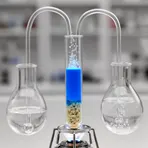
A reaction where one compound breaks into two or more simpler substances
Antonyms
How Complete
- Archaic

- Specialized
2
5.7
Surface Forms
Morphology
dissimilation = dissimilar (opaque) = dis + simil + ation
Although formed from dis- + simil + -ation, the biological sense 'breakdown of complex substances' is not derivable from 'dissimilar' and represents a specialized semantic development.
Etymology
Dissimilation comes from the parts dis- meaning 'not' and similis meaning 'like', so it literally means 'not alike'. In biology, dissimilation is the breaking of complex substances into simpler parts to release energy, so the root shows it is about making things less alike by breaking them down.