

katabolism
- noun
- /kəˈtæbəlɪzəm/
- Specialized
- The study focused on the katabolism of carbohydrates in cellular metabolism.
Examples
-
During katabolism, complex molecules are broken down.
-
The process of katabolism is essential for releasing energy in living organisms.
-
During fasting, katabolism helps provide the body with energy by breaking down stored molecules.
-
Intense exercise can increase katabolism in muscle tissue.
-
The process of katabolism is essential for energy release.
-
During fasting, katabolism helps provide the body with energy by breaking down stored molecules.
-
Intense exercise can increase katabolism in muscle tissue.
Synonyms
 19
4.1
19
4.1

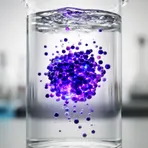
A process in which a substance is broken into simpler parts by chemicals or living things
 1
8.1
1
8.1
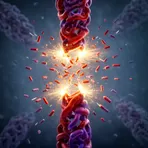
The breaking down of complex substances into simpler ones that releases energy

The process that breaks down food and body tissue to release energy
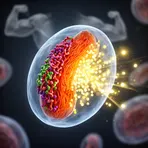
Cells break down complex substances to release energy
Surface Forms
Morphology
katabolism = catabolic (opaque) = katabol + ism
The combining form 'katabol-' is not a standalone English word and the term is a specialized biological noun, so knowledge of common English bases will not reliably allow a learner to infer the meaning.
Etymology
Katabolism comes from Greek parts kata- meaning 'down' and -ballein meaning 'to throw', so it suggests 'throwing down' or breaking things into smaller parts. That's why katabolism is the process where the body breaks complex substances into simpler ones and so releases energy, and it is the opposite of anabolism ('up' + 'build').