
commons
 18
6.0
18
6.0

- noun
- /ˈkɑːmənz/
- The controversial Policing Bill passed the Commons vote, but what does this mean for our right to peacefully protest?
- House of Commons
- Commons committee
- members of the Commons
Loading YouTube…
Watch on YouTubeBut as it stands, political snobbery within the Commons is a virus.
- But as it stands, political snobbery within the Commons is a virus.
- That's a railroading, ramrodding, whatever the word is it it through the Commons under a timetable motion.
- The controversial Policing Bill passed the Commons vote, but what does this mean for our right to peacefully protest?
- And he's also a candidate for the House of Commons for the Socialist Alliance.
- Put it into a, you know, negotiate a terrible deal that which the Commons everyone knows couldn't because the various on the on the mass couldn't support.
Examples
-
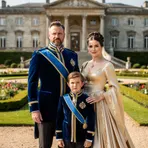
As a result, the 1621 House of Commons petitioned the king to marry his son to a fellow Protestant instead.
Academic text (2011) -
Consequently, the Crown had either to buy off its critics or keep them from sitting in the Commons altogether.
Academic text (2011) -
I work in the House of Commons.
-
We were supposedly "represented in the House of Commons, but in reality we were not.
Blog text (25) -
By assuming greater control of its own affairs, the House of Commons created the illusion that it was becoming more powerful.
Academic text (2011) -
In an address to the House of Commons this morning, Osborne said:
Blog text (9) -
The Liberal government made the following comment in the House of Commons debate in 1966:
Blog text (3) -
Furthermore, Thomas distributed statements to the House of Commons criticizing the Trustees, although no one took him seriously.
Academic text (2008) -
Martha Louise Black and Audrey McLaughlin were elected to the House of Commons.
Fiction book (1993) -
The MP addressed the concerns of the Commons during the debate on social policy.
Synonyms
 16
1.3
16
1.3
People who are not rich or powerful
 4
9.0
4
9.0
People in a society who are not rich or powerful
 2
2.3
2
2.3
Ordinary people in a society who are not rich or powerful

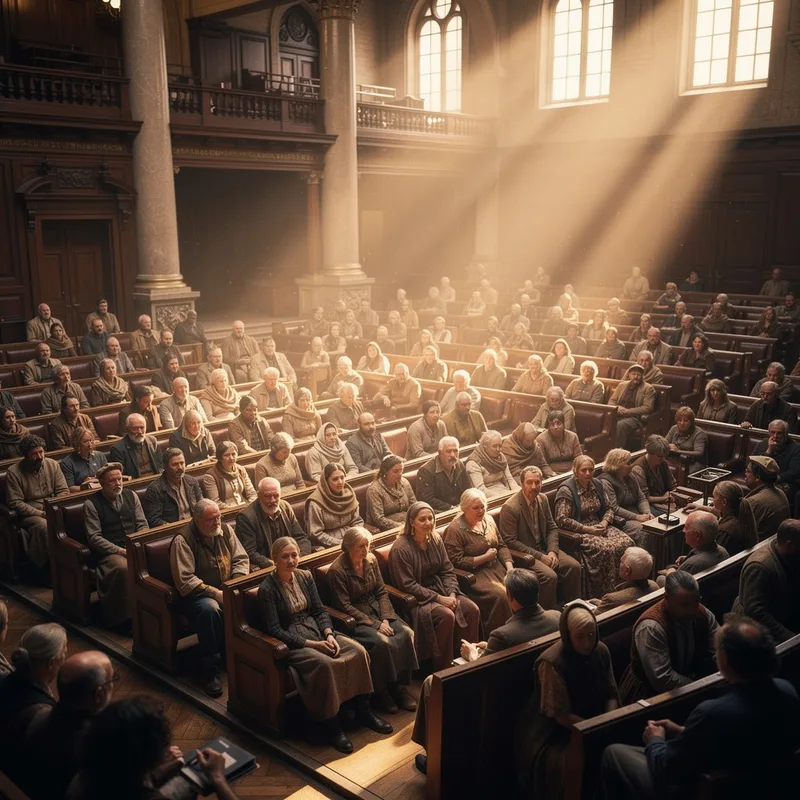
Ordinary people who are not rulers or priests, especially in old times
Antonyms

Compounds
 34
3.5
34
3.5
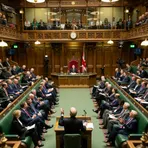
The elected lower house of the United Kingdom Parliament that makes and passes laws
 5
3.3
5
3.3
The elected part of the British Parliament that makes laws and represents the public
 1
3.6
1
3.6
The elected part of the United Kingdom Parliament that makes and approves laws
How Elite
24
7.2
 15
6.2
14
8.4
516
2.0
18
6.0
157
3.5
15
6.2
14
8.4
516
2.0
18
6.0
157
3.5
Surface Forms
Morphology
Etymology
Commons comes from the same root communis and common, meaning 'shared' or 'ordinary'. That's why 'the commons' became the name for ordinary people who were not nobles, and why bodies like the House of Commons represent regular citizens.