

to color
 80
6.5
80
6.5

- verb
- /ˈkʌlər/
- US
- Well, that has obviously colored your attitude a bit.
- perceptions were colored
- colored by wishful thinking
- be colored by experience
Loading YouTube…
Watch on YouTubethat invade your mind and colour your view of reality.
- that invade your mind and colour your view of reality.
- I mean, my experiences have I definitely coloured my view of everything.
- My racial presentation colors how other people deal with me.
- Basically, new information has come in that colors our perception.
- You know, we, you know, color me skeptical, but you know, yeah, I'm sure they'll try.
- Everything is coloured by the veil of irrational thinking.
Examples
-
What I privately think mustn't color the mood of this fine safari.
-
Rarely, if ever, is the teacher supposed to color the opinions of his pupils.
Academic text (1995) -
When these people reach out again and we know what they want, Jane will help color who they are.
-
Basically, new information has come in that colors our perception.
-
My racial presentation colors how other people deal with me.
-
We have intervening memories, and each new memory colors our perceptions of our old memories.
-
Hemingway's Cuba was colored by a small-town atmosphere, far from the noise of Havana.
Academic text (2017) -
The news report was biased, which colors the public's understanding of the event.
-
Her personal experiences will inevitably color her perspective on the situation.
-
The introduction of misleading data can color the research findings significantly.
Synonyms
 97
4.6
97
4.6
To change facts so they become false or misleading

 1
4.8
1
4.8
To add a small amount of color or feeling to something
Antonyms

Idioms


- Informal
1
6.7
To think or act in a new and creative way without following usual rules
Phrasal Verbs


Compounds







- Formal
3
7.9
A barrier that keeps Black people from taking part equally with white people


- US
3
4.0
Not treating people differently because of their race when choosing people for jobs or schools

- Offensive
3
5.9
A rule or practice that keeps Black people and other races from taking part equally with white people

- US
3
5.6
A policy or attitude that does not consider people's race, often hiding unequal treatment


- Specialized
1
4.0
Two colors that make white light or grey when mixed, like red and green

- Formal
1
8.9
Acting as if you have legal power when you do not, often to do illegal acts


- Specialized
1
4.0
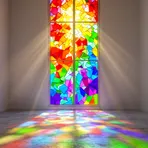
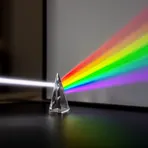
A range of visible colors from red to violet when light passes through a prism
- US
1
3.9
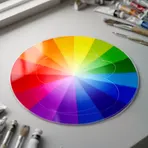
A circle that shows how colors are related, for example primary and opposite colors


 1
6.1
1
6.1
The idea that race should not matter when treating people, often hiding real unfairness




- Specialized
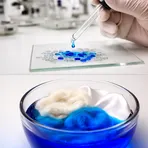
A dye with a positive charge that sticks to acid parts and stains cells and fabrics


- Indian
An orange color used by some Hindu political groups on flags and posters to show support



- Archaic
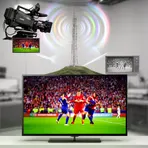
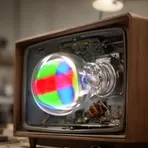
A large glass part inside old televisions that shows pictures in color

- Offensive
A system that keeps people of different races apart and often denies rights to Black people


- Archaic
A glass bulb inside older televisions that makes the screen show color pictures

- Specialized
A problem where a person cannot tell some colors apart, often red and green

- Specialized
A thin see-through layer of water-based paint that gives a surface a soft blended color


- Specialized
A pattern of tiny colored dots that makes a new color appear on a screen

- Archaic
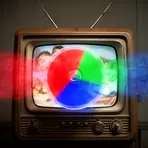
An early television that shows red, green and blue in a quick order to make color images
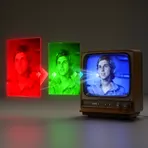
- Archaic
A TV method that sends each picture in red, then green, then blue
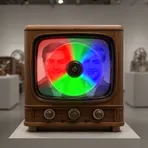
An early color television that shows pictures by quickly changing red, green, and blue images
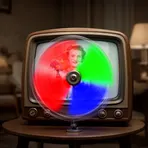
An old way of showing color television by showing red, green, and blue pictures quickly
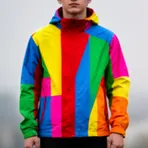


- Specialized
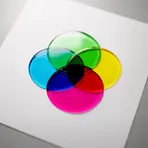
One of three colors, magenta, cyan and yellow, used in printing to make many colors by removing light




- Specialized
A color seen in a rainbow that comes from one light wave, not a mix of colors


- Specialized
A condition that makes it hard to tell yellow and blue apart
How Biased

Surface Forms
Etymology
Color meaning to influence or distort comes from using 'color' as a 'shade' or slant that changes how we see a fact or story. So to color the truth is to change its appearance and make it seem different.