

field-sequential color TV system
- noun
- Archaic
- The field-sequential color TV system used red, green, and blue fields to create colorful images on the screen.
Examples
-
The field-sequential color TV system was an important step in the development of modern color broadcasting.
-
Engineers demonstrated the field-sequential color TV system at several technology exhibitions in the 1950s.
-
Although the field-sequential color TV system offered vibrant colors, it was eventually replaced by more advanced methods.
-
The field-sequential color TV system was revolutionary in its time.
-
Many field-sequential color TV systems were developed in the 1950s.
-
At the museum, visitors learned about the field-sequential color TV system and its impact on early television technology.
-
In the 1950s, the field-sequential color TV system allowed viewers to experience color broadcasts for the first time.
Synonyms

An early color television that shows pictures by quickly changing red, green, and blue images

An old way of showing color television by showing red, green, and blue pictures quickly
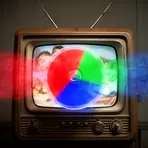
An early television that shows red, green and blue in a quick order to make color images
Surface Forms
Morphology
field-sequential + color + TV + system
The phrase is compositional: 'field-sequential' can be parsed as 'field' + 'sequential', and combined with 'color TV system' yields the general idea of a television system that produces color by showing fields in sequence. It is a technical term, so a B1 learner who knows the constituent words can infer the basic mechanism (colors presented in sequence) but not the specific engineering details, making the transparency partial.
Etymology
Field-sequential color TV system gets its name from how early color TVs sent pictures: the set sent each color as a separate field, and the word sequential simply means 'in order' — red, then green, then blue — so the screen and our eyes mixed them into a full image. That's why the name literally describes 'fields one after another' and explains how the system worked.

