

skin color
 32
1.7
32
1.7

- noun
- /skɪn ˈkʌlər/
- US
- We have different skin colors that reflect our diverse backgrounds.
- skin color and gender
- traits like skin color
- different skin colors
Loading YouTube…
Watch on YouTubeIs it because you see your skin colour as a burden?
- Is it because you see your skin colour as a burden?
- We had the same skin color with the same accent.
- They don't understand how skin color has has played a role.
- Take your skin colour and celebrate it.
- And the breathing changes, the skin color changes, breathing gets kind of jagged.
- I describe John Ashcroft's skin color when he's in intensive care.
- To demean people that don't have the same skin color that they have.
- How about this rule that if you're black, if you have skin color like mine, ish.
- But you know, and that's because of our skin colour.
- It was just differences in phenotype, in blood, hair type, bone, skin color and the like.
- But beyond that, the fact that when you don't describe someone's skin color, a lot of people just default to white.
Examples
-
Her skin color can tell us how to proceed.
-
Don't allow skin color to ever become a problem for you.
-
Look at my skin color.
-
We have different skin color.
-
Besides, it's closer to your skin colour.
-
We had the same skin color with the same accent.
-
You can literally see where my skin colour starts and where it ends.
-
Take your skin colour and celebrate it.
-
I do not like to be judged by my skin color or my accent.
Academic text (1998) -
Finally, she tapped my arm and said that we may have different skin colors, but underneath beats the same heart.
Academic text (1997)
Synonyms
 53
4.0
53
4.0
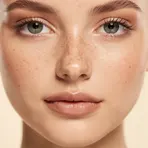
The natural color and look of the skin, especially the face
 18
2.0
18
2.0
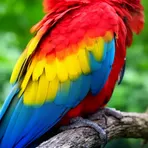
The colors that appear on something
 8
5.2
8
5.2
Natural color of skin, hair, or leaves caused by pigments
 6
5.0
6
5.0
The pattern of colors on something that affects how it looks
How Dark

Surface Forms
Morphology
The meaning 'the natural color of a person's skin' is directly and transparently derived from combining 'skin' (the body's external covering) with 'color' (a visual attribute). This noun-noun compositional pattern is cross-linguistically common and follows straightforward semantics, so a B1 learner who knows both constituents will readily understand the MWE.
Etymology
Skin color comes from a simple, literal idea: skin (the outer part of the body) and color (the shade you can see). People have used these words together for a long time to talk about a person's natural shade, so today skin color means the 'natural color of a person's skin'.