
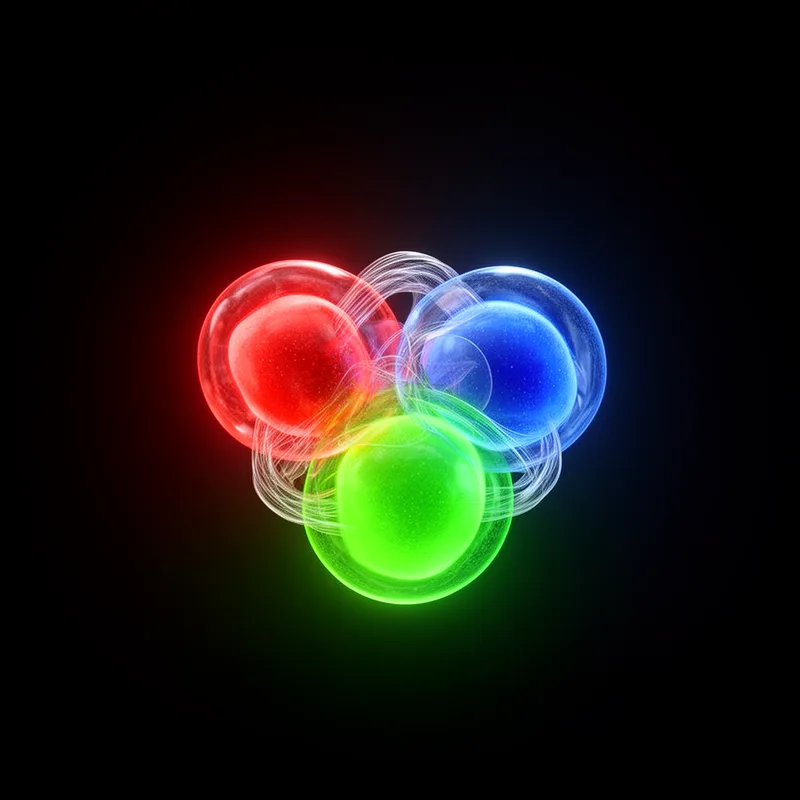
color
 13
9.9
13
9.9

- noun
- /ˈkʌlər/
- Specialized
- When vaporized, or in the form of a gas, each absorbs that unique color of light of an exact wavelength.
- color space
- color glass condensate
Examples
-
In particle physics, each quark is associated with a specific color that determines its role in interactions.
-
A single photon could be created in a superposition of two colors—for example, red and green.
Academic text (2012) -
In all of these respects, the RGB color space is similar to human vision.
Academic text (2009) -
In the present context, the three components represent the three colors of a quark.
-
There are basically two types of color systems: additive and subtractive.
Academic text (1992) -
The color channels both range from +127 to 0 and then to -128.
Academic text (2009) -
The schemes illustrated in Figure 2 and others allow for defining photonic qubits based on color or shape.
Academic text (2012) -
Figure 1 shows a three-dimensional comparison of the RGB and CMYK color spaces.
Academic text (2009) -
The study of quarks reveals that they come in three types of color: red, green, and blue.
-
Understanding the concept of color is vital to grasp how the strong force operates at a subatomic level.
Idioms


- Informal
1
6.7
To think or act in a new and creative way without following usual rules
Compounds








- Formal
3
7.9
A barrier that keeps Black people from taking part equally with white people

- US
3
4.0
Not treating people differently because of their race when choosing people for jobs or schools

- Offensive
3
5.9
A rule or practice that keeps Black people and other races from taking part equally with white people

- US
3
5.6
A policy or attitude that does not consider people's race, often hiding unequal treatment


- Specialized
1
4.0
Two colors that make white light or grey when mixed, like red and green

- Formal
1
8.9
Acting as if you have legal power when you do not, often to do illegal acts


- Specialized
1
4.0
A range of visible colors from red to violet when light passes through a prism


- US
 1
3.9
1
3.9
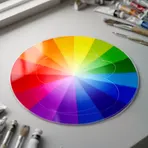
A circle that shows how colors are related, for example primary and opposite colors


 1
6.1
1
6.1
The idea that race should not matter when treating people, often hiding real unfairness

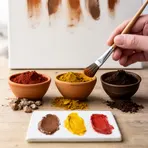


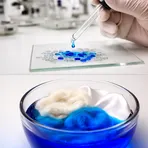
- Specialized
A dye with a positive charge that sticks to acid parts and stains cells and fabrics


- Indian
An orange color used by some Hindu political groups on flags and posters to show support


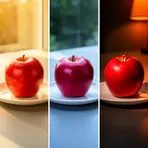


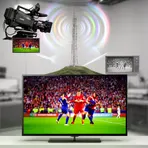
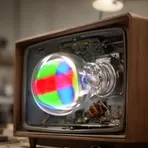
- Archaic
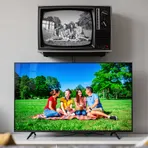
A large glass part inside old televisions that shows pictures in color

- Offensive
A system that keeps people of different races apart and often denies rights to Black people

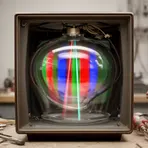
- Archaic
A glass bulb inside older televisions that makes the screen show color pictures
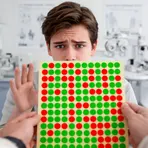
- Specialized
A problem where a person cannot tell some colors apart, often red and green

- Specialized
A thin see-through layer of water-based paint that gives a surface a soft blended color


- Specialized
A pattern of tiny colored dots that makes a new color appear on a screen

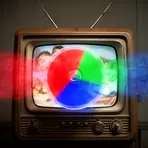
- Archaic
An early television that shows red, green and blue in a quick order to make color images
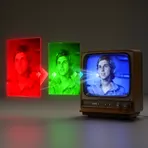
- Archaic
A TV method that sends each picture in red, then green, then blue
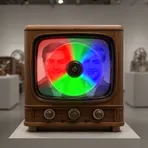
An early color television that shows pictures by quickly changing red, green, and blue images
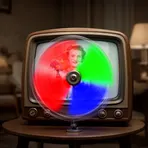
An old way of showing color television by showing red, green, and blue pictures quickly
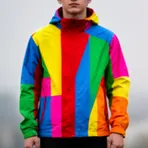


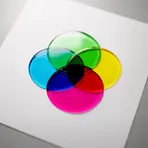
- Specialized
One of three colors, magenta, cyan and yellow, used in printing to make many colors by removing light





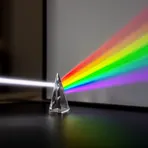
- Specialized
A color seen in a rainbow that comes from one light wave, not a mix of colors


- Specialized
A condition that makes it hard to tell yellow and blue apart
Surface Forms
Etymology
Color in physics is a name scientists borrowed from visual 'color' to label a property of quarks that is not about sight. A helpful way to remember it is to think of it as a name for different 'types' rather than real colors.