
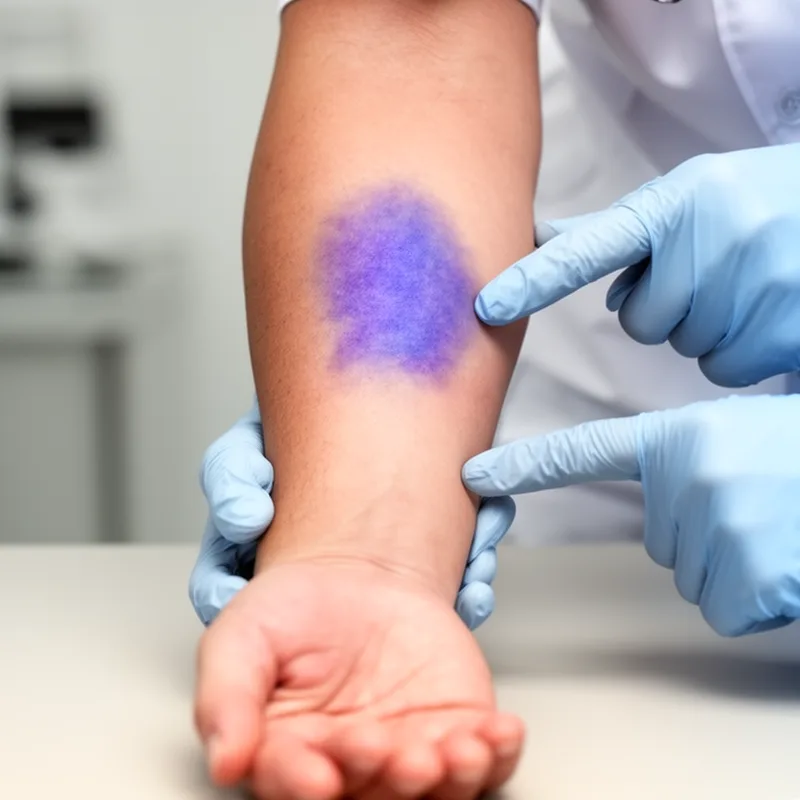
chromatism
- noun
- /ˈkroʊməˌtɪzəm/
- Specialized
- The patient exhibited noticeable chromatism on their skin.
Examples
-
The patient's skin chromatism was noted as a symptom of the underlying disease.
-
Doctors often study chromatism to understand skin conditions.
-
Researchers studied the causes of chromatism in certain tropical fish species.
-
Some plants display chromatism due to environmental stress or genetic mutation.
-
The patient's skin chromatism was noted as a symptom of the underlying disease.
-
Doctors often study chromatism to understand skin conditions.
-
Some plants display chromatism due to environmental stress or genetic mutation.
Synonyms

 3
4.3
3
4.3

A face that looks very light in colour because of illness, fear, or lack of sun
 1
7.7
1
7.7
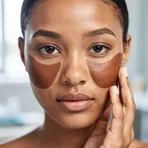
Skin that becomes darker in some areas because it has more colour, often after sun, injury, or illness
 1
8.2
1
8.2
Loss of colour in the skin or hair that makes them look lighter


 1
8.8
1
8.8
A part of the skin that is lighter than normal because it has less color
 1
9.9
1
9.9
An unusual lack of color in the skin that makes it look very pale
 1
9.9
1
9.9
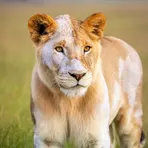
A condition that causes some loss of color in an animal's skin, hair, or feathers, giving pale patches
 1
9.9
1
9.9
Skin becomes yellow because of some illnesses
 1
6.2
1
6.2
Uneven patches on skin or cloth
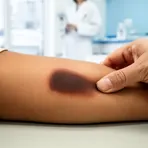
Dark skin in an area caused by extra melanin
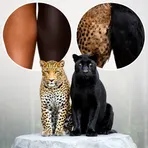
A condition in which animals and people have extra dark pigment and very dark skin, fur or feathers

Darkening of skin or an insect shell when it gets more pigment
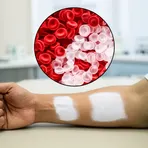
A lack of colour in the skin or in red blood cells

A skin condition present from birth where patches of skin lose their color

Skin turns yellow-orange because of too much carotene from foods like carrots or sweet potatoes

Yellowish skin that appears after eating a lot of carrots or sweet potatoes

A ring of different colour around a skin spot or wound

A pale look showing little normal color in the skin
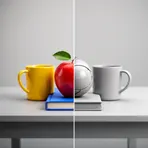
A lack of color in vision or objects
Surface Forms
Morphology
chromatism = chromatic (transparent) = chromat + ism
Denotes a condition or quality relating to colour (chromatic) formed with the productive suffix '-ism', so the meaning 'abnormal coloration' follows directly.
Etymology
Chromatism comes from the Greek root chroma meaning 'color', the same root you see in words like chromatic and chrome. So when skin or body tissues show an unusual color or a strange color change, that abnormal colouring is called chromatism.