pallidity

pallidity

9.9
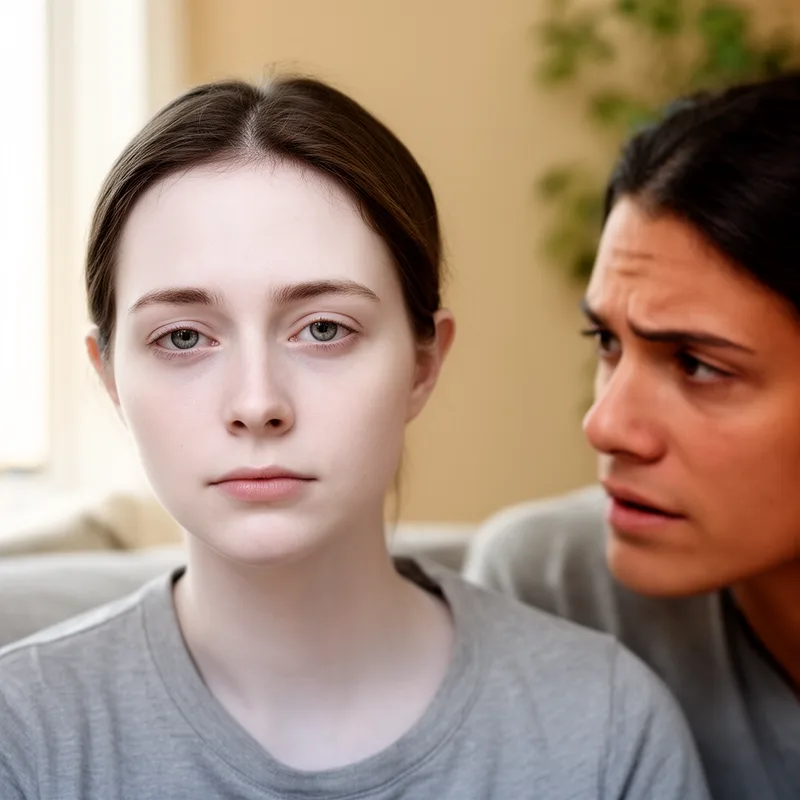
A pale look showing little normal color in the skin
  • noun
  • /pəˈlɪdəti/
translation icon : pálidez
  • The pallidity of his face made everyone worry about his health.

Examples

  • The pallidity of her skin after the illness caused great concern among her family.

  • The artist captured the pallidity of dawn in her delicate watercolor.

  • After weeks without sunlight, a certain pallidity settled over the town's residents.

  • The patient's pallidity indicated a possible health issue.

  • Her pallidity was concerning after the long illness.

  • His pallidity was a result of spending too much time indoors without exposure to sunlight.

  • Doctors noted the pallidity of the patient's complexion, suggesting a potential deficiency.

Synonyms

pallor
vspallidity
6 8.3

A very pale look to the skin that shows illness or shock

is the general quality of being pale rather than the symptom itself
paleness
vspallidity
3 4.3

A face that looks very light in colour because of illness, fear, or lack of sun

is the formal noun for the same condition of reduced skin color
lightness
vspallidity
1 3.4

A pale color often seen in hair or curtains

is the more clinical focus on lack of normal bodily color
depigmentation
vspallidity
  • Specialized
1 8.2

Loss of colour in the skin or hair that makes them look lighter

is paleness without implying actual pigment removal or medical change
drabness
vspallidity
1 5.1

A plain, dull appearance with no bright color or style

is focused on skin lacking normal color not general plainness
hypopigmentation
vspallidity
  • Specialized
1 8.8

A part of the skin that is lighter than normal because it has less color

is general paleness not limited to pigment loss in skin areas
dullness
vspallidity
1 2.2

A surface that is not bright or shiny

is paleness tied to skin color rather than overall lack of brightness
pallidness
vspallidity
8.2

A condition where the skin looks very pale because of illness or shock

is the broad everyday term for that same lack of normal color
wanness
vspallidity
  • Archaic
9.7

A paleness of the skin caused by illness or strong emotion

is the broader neutral term for lacking normal bodily color
pastiness
vspallidity
6.7

A pale dull look to the skin that shows very little color

is the general state of paleness without emphasizing dull texture
sallowness
vspallidity
9.2

A sickly yellow or pale colour of the skin

is paleness without the specific yellow or sickly tone
luridness
vspallidity
9.9

An unnatural paleness of the skin from bruising, illness, or shock

is ordinary paleness without the alarming or injury connotations
etiolation
vspallidity
9.9

A pale, weak look that shows lack of light or energy

is paleness without implying a cause from light or weakness
washiness
vspallidity
8.8

A pale, weak look that lacks strong color or energy
is simple paleness not stressing weak or faded visual quality
achromatism
vspallidity
  • Specialized
9.9

A lack of color in vision or objects

is bodily paleness rather than technical absence of chromatic color
colorlessness
vspallidity
  • US
7.0

When something has no color, it looks pale or clear

is the skin-focused lack of normal color rather than general hue loss

Antonyms

7 4.6

A strong, lively energy and brightness in people, places, or things

2.5

The quality of having many bright colors

How Pale

pallor
6 8.3
pallidity
9.9
paleness
3 4.3

Surface Forms

pallidity singular
pallidities plural

Morphology

pallidity = pallid (transparent) = pallid + ity

The word 'pallidity' is transparently derived from 'pallid' with the addition of the suffix '-ity' to denote a state or quality.

Etymology

Pallidity comes from the Latin pallidus, from pallere meaning 'to be pale'. Think of the simple English word pale or pallor — they all mean having little color, so pallidity is the 'paleness' or lack of normal color.