

benzocaine


 1
7.0
1
7.0
- noun
- /ˈbɛnzoʊkeɪn/
- Specialized
- Many over-the-counter topical ointments contain benzocaine, which helps to numb pain on the skin.
Loading YouTube…
Watch on YouTubeTheir names usually end in cane like benzocaine, novocaine and also cocaine.
- Their names usually end in cane like benzocaine, novocaine and also cocaine.
Examples
-
Allergic reactions are uncommon with lidocaine, but they may be more prevalent with the esters such as tetracaine and benzocaine.
Academic text (2004) -
After sampling, fish were anesthetized using benzocaine (up to 40 mg/l), euthanized, and preserved in 4% formalin solution.
Academic text (2018) -
Lidocaine can be expected to provide 45 to 60 minutes of anesthesia, but benzocaine/tetracaine wears off after 20 to 30 minutes.
Academic text (2004) -
If any oropharyngeal anesthesia is required (it is usually not), one spray of 20% benzocaine can be delivered to the oropharynx.
Academic text (2004) -
Spray topical benzocaine/tetracaine onto the palate and posterior pharynx.
Academic text (2004) -
Benzocaine is a local anaesthetic gel that desensitizes the tip of the penis and helps to delay premature ejaculation.
Academic text (2011) -
"One of the common ingredients in over-the-counter anti-itch drugs is benzocaine, which has a numbing effect, so it temporarily relieves itching," says Scranton.
Academic text (2014) -
If a procedure in a patient who has been anesthetized with benzocaine/tetracaine should exceed 20 minutes, the patient may begin to gag when sensation to the palate and oropharynx returns.
Academic text (2004) -
Lozenges containing benzocaine are effective for relieving a sore throat.
-
For teething pain, some parents choose products with benzocaine to soothe their children's discomfort.
Synonyms
 1
7.9
1
7.9
A medicine used to make a small area numb for dental or medical work

A white solid used to numb a small part of the body

A medicine used to make a small area numb on the inside of the mouth or other soft wet parts

A medicine used to numb a small area on the mouth or nose
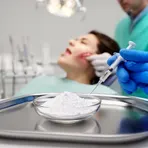
A white powder used to numb a small area for dental and medical work

A medicine that makes part of the body numb for surgery or pain relief

A drug used to stop feeling in a small part of the body, often for procedures on the spine

A drug used to make part of the body not feel anything during surgery
How Numbing
- Specialized

- Specialized
- Specialized
18
6.7
- Specialized
1
7.0
Surface Forms
Morphology
benzocaine = benzo + caine
The components 'benzo' and 'caine' are not standalone English words and do not transparently convey the meaning of a local anesthetic to an average learner.
Etymology
The word benzocaine comes from benzo- (from 'benzoic', a common chemical name) and the suffix -caine taken from cocaine, the early numbing drug. So, benzocaine is a 'benzoic' kind of chemical used to 'numb' pain and itching.