
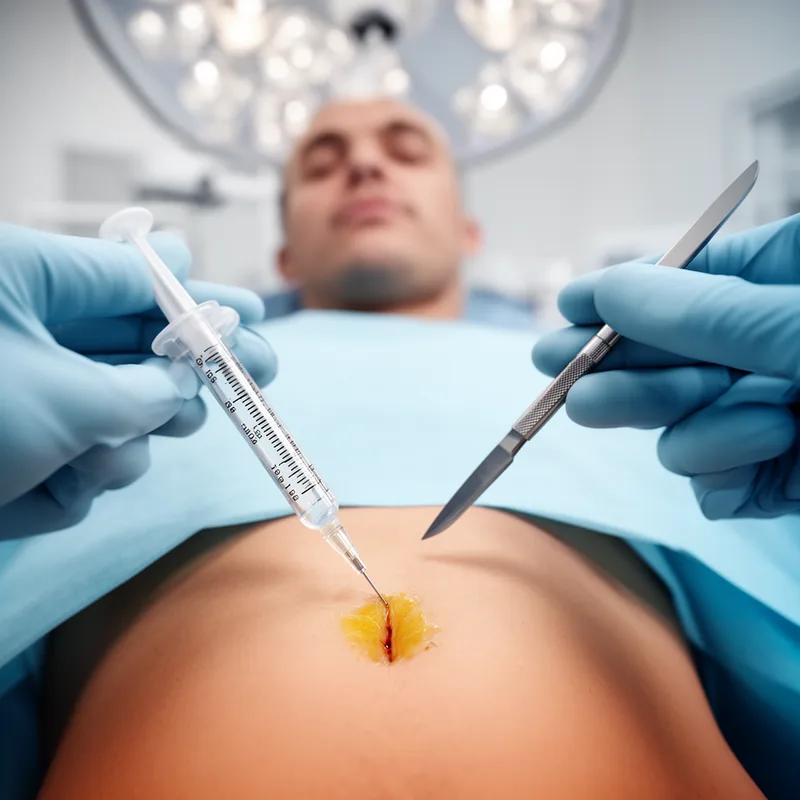
metycaine
- noun
- Specialized
- The surgeon administered metycaine before beginning the procedure to ensure the area was numb.
Examples
-
Allergic reactions to metycaine are rare but must be monitored during spinal anesthesia.
-
Researchers are testing new formulations of metycaine to improve its effectiveness and safety.
-
The doctor administered metycaine before the procedure.
-
Have you ever used metycaine for anesthesia?
-
The surgeon administered metycaine to numb the patient's back before the spinal operation.
-
During the procedure, the anesthesiologist used metycaine to ensure the patient felt no pain.
-
After injecting metycaine, the area became completely numb, allowing the surgery to proceed smoothly.
Synonyms
 1
7.0
1
7.0

A medicine that numbs the skin and the inside of the mouth


 1
7.0
1
7.0
A medicine that numbs a small area to stop pain or itching

A drug used to make part of the body not feel anything during surgery

A drug used to stop feeling in a small part of the body, often for procedures on the spine

A medicine that makes a small part of the body lose feeling before a procedure

A strong medicine that numbs a small part of the body, often the lower back, given by injection
How Strong
- Specialized
3
4.1

- Specialized
1
4.6
- Specialized
- Specialized
7
3.9
- Specialized
1
4.6
Surface Forms
Morphology
metycaine = mety + caine
The term appears to be a pharmaceutical coinage built from non-standalone combining elements (e.g. the drug-forming element '-caine'); neither component is a recognizable English base for an average learner, so the meaning cannot be derived transparently.
Etymology
Metycaine is a drug name that uses the familiar ending -caine, the same part you see in cocaine and other local anesthetics, and that ending shows it 'numbs' an area. A helpful way to remember Metycaine is to think of mety- as a small chemical change added to that 'numbing' family, so Metycaine is used to make part of the body or the spine numb.