

bee
 353
1.0
353
1.0

- noun
- /biː/
- Our little friends, the bees.
- honey bee
- queen bee
- bee colony
Loading YouTube…
Watch on YouTubeSo they've taken these bees and now they release them.
- So they've taken these bees and now they release them.
- But this is what the bees make for the queen bee.
- Let's end with a prayer for the bees or these words.
- I am no longer scared of bees and or spiders.
- That's only flies, but says bees, Hornets, ants.
- Maybe, you know, send a bee dog, send a bee.
- Bees can have bees and birds could have birds.
Examples
-
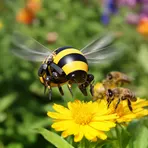
During spring, you can often see bees busy pollinating the blossoms in the garden.
-
This was the work of von Frisch, showing bee dancing, bee communication.
-
After dinner, I went out to see how the bee trap was working.
Fiction book (1990) -
But this is what the bees make for the queen bee.
-
Let Chad catch the bee in the glass.
-
The island is far enough from land that no other honey bees are present.
Academic text (1999) -
Oh, look at all the busy bees!
-
There's not a single bee in this entire box.
-
There are just honey bees everywhere on these blooms.
-
Throughout much of Nepal, several ethnic groups routinely harvest cliff bee nests for honey and wax.
Academic text (1990)
Idioms


Compounds
 37
2.9
37
2.9
A contest where people say the letters of words and are out if they make a mistake

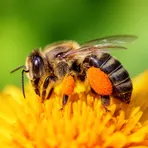


- Specialized
1
8.0
A type of honeybee made by mixing African and European bees that is very aggressive and spreads fast


- US
1
6.5
A meeting where people work together to sew warm blankets from small cloth pieces


- Specialized
 1
7.2
1
7.2
A honey bee bred from African and European bees that is very aggressive and spreads across the Americas

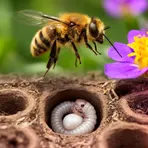


A large fly that looks like a bee and catches other insects in the air to drink their juices


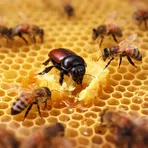



- Archaic
A community event where people gather to remove the outer leaves from corn and have fun
How Social

Surface Forms
Etymology
Bee is a very old English word that has always named the busy, honey-making insect. You can see the same idea in everyday words like beehive and beeswax, which is why bee still means the flying insect that gathers nectar and makes 'honey'.