
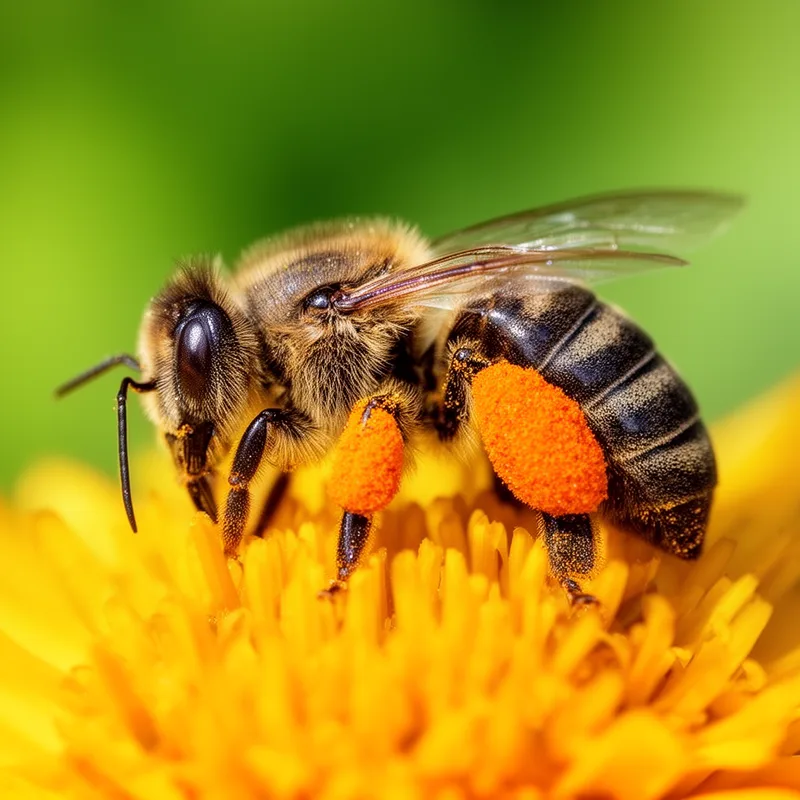
worker bee
 7
3.6
7
3.6

- noun
- /ˈwɜrkər bi/
 :
abeja obrera
:
abeja obrera
- Just one queen can build a nest with up to 5,000 worker bees in late summer or early fall.
Examples
-
We need young architects, engineers, entrepreneurs, and worker bees to go in there and restore those beautiful landmarks to their former beauty.
Blog text (27) -
Actually, we were just worker-bees in offices, banks, and accounting departments everywhere: IT types, programmers, techs, and engineers.
Blog text (34) -
In the future, not everyone will have to be a worker bee for 40+ years of their life.
Blog text (34) -
The whole purpose was to make little worker bees.
Blog text (29) -
We got the queen bee, and we got her two little worker bees.
-
In her six-week life span, this worker bee will forage for food, make honey, and raise the next generation.
-
The thousands of worker bees in a hive are all female, and they play essential roles in maintaining the colony.
-
Scientists are trying to find the cause of colony collapse disorder, the five-year-old phenomenon of worker bees suddenly disappearing.
Synonyms
 54
4.5
54
4.5
An insect in a colony that cannot reproduce and gathers food and cares for the young
Surface Forms
Morphology
The meaning is directly compositional: 'worker' (one who works/forages) modifies 'bee', so a learner who knows both words can infer a bee that performs work for the colony. This pattern is cross-linguistically common (e.g. Spanish 'abeja obrera', French 'abeille ouvrière') and follows normal noun–noun/compound semantics, so it should be immediately understandable to a B1 learner.
Etymology
Worker bee comes from real bee colonies where the female worker bee does many small jobs, like collecting food and keeping the hive clean. So, because of this clear image of a busy insect, people call a very hardworking or always-busy person a 'worker bee'.