
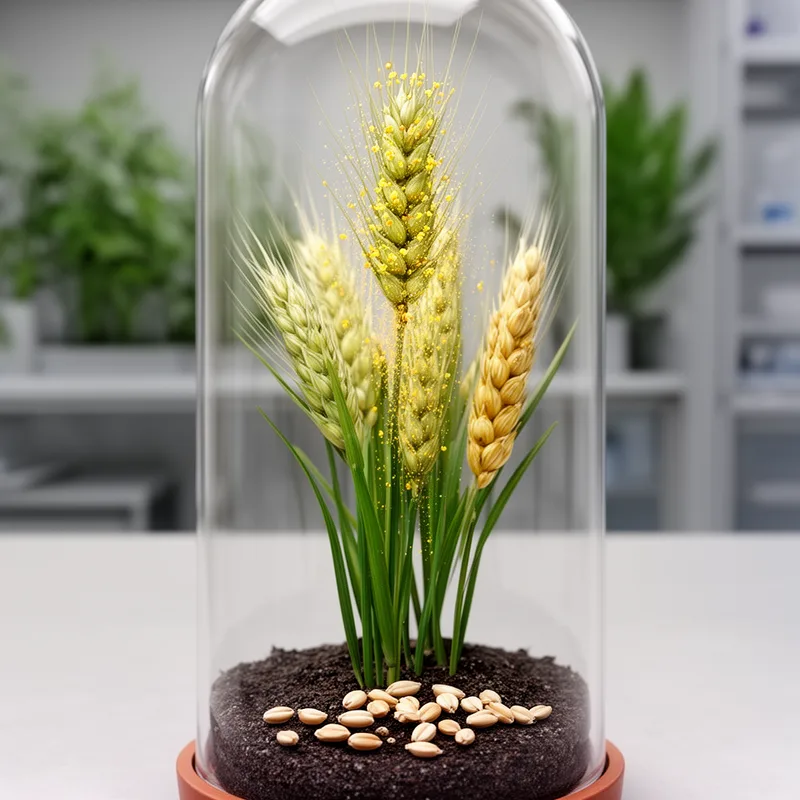
autogamous
- adjective
- /ˌɔːtəˈɡæməs/
- Specialized
- Certain plant species are autogamous, allowing them to reproduce without pollen from another plant.
Examples
-
In laboratory experiments, the flower's autogamous nature simplifies genetic studies.
-
Wheat is often autogamous, meaning most pollination occurs within the same flower.
-
Many plants are autogamous and do not require cross-pollination.
-
The autogamous species can reproduce without a mate.
-
Many plants, such as wheat, are autogamous, allowing them to reproduce without needing pollen from other individuals.
-
The autogamous nature of some flowers enables them to ensure fertilization, even in isolated environments.
-
In agriculture, understanding whether a crop is autogamous can greatly influence planting decisions and yield expectations.
Synonyms


 1
5.8
1
5.8
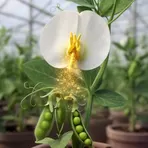
Able to make seeds using pollen from the same plant, not from another plant

A plant that can make seeds by itself

A plant that can use its own pollen to make seeds without pollen from another plant

A plant or group that fertilizes itself to make offspring
Antonyms

How Self-Fertilizing

Surface Forms
Morphology
Etymology
Autogamous starts with auto-, the same 'self' you see in automatic and autograph, and ends with -gamous from Greek gamos meaning 'marriage'. So an autogamous plant 'marries' itself — it fertilizes itself without pollen from another plant.