
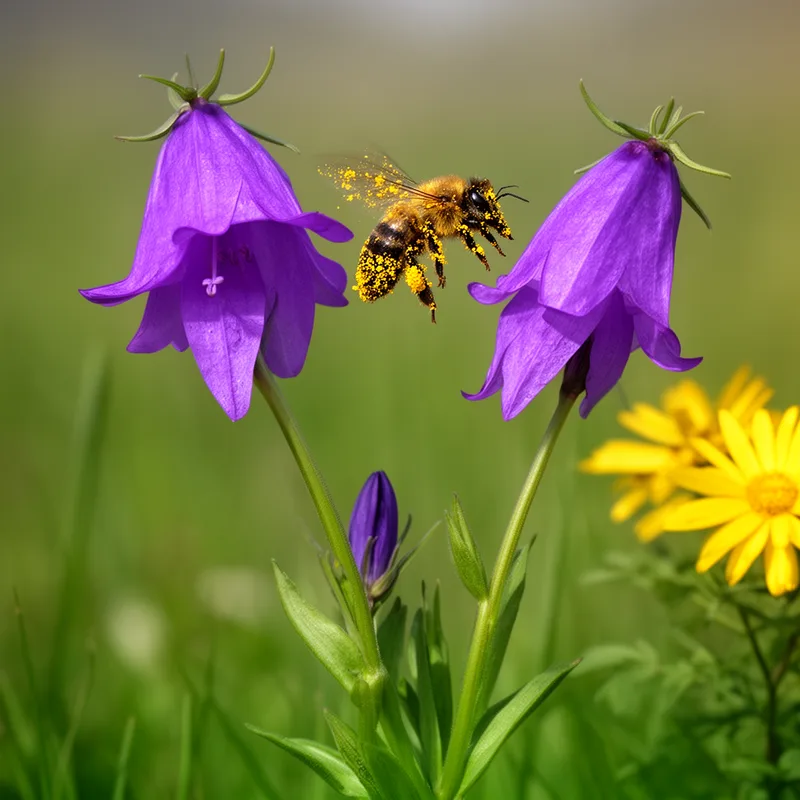
endogamous
- adjective
- /ɛnˈdɒɡəməs/
- Specialized
- Some plant species are endogamous, requiring fertilization by pollen from flowers of the same kind.
Examples
-
Unlike exogamous plants, endogamous species rarely hybridize with different species.
-
Research has shown that endogamous breeding promotes genetic stability within isolated populations.
-
The plants exhibit endogamous reproduction, ensuring genetic diversity.
-
In some species, endogamous fertilization is preferred over cross-pollination.
-
Research has shown that endogamous breeding promotes genetic stability within isolated populations.
-
Some plant species are endogamous, requiring fertilization by pollen from flowers of the same kind.
-
In some species, endogamous fertilization ensures offspring maintain traits typical of the species.
Synonyms
Allowing pollen from another flower of the same species to fertilize it
To make new plants by receiving pollen from a different plant of the same species
Antonyms

How Endogamous
- Specialized
 12
8.6
12
8.6


- Specialized
Surface Forms
Morphology
Etymology
Endogamous comes from Greek parts endo- 'within' and -gamous from gamos 'marriage', and in biology it describes mating or fertilizing 'within' the same group or species. So an endogamous plant or animal usually breeds only with others of its own kind.