

allogamous
- adjective
- /ˌæl.əˈɡæm.əs/
- Specialized
- Many flowering plants are allogamous, requiring pollen from different individuals for successful reproduction.
Examples
-
In agricultural settings, allogamous crops may need pollinators like bees to ensure fertilization.
-
Researchers found that allogamous species showed greater genetic diversity than self-pollinating plants.
-
The allogamous plants produced a diverse range of offspring.
-
Many species of flowers are allogamous and require cross-pollination.
-
To thrive, allogamous plants depend on different individuals to provide pollen for fertilization.
-
During the study, scientists observed that many allogamous plants show higher resilience due to genetic variability.
-
In a garden, allogamous species often produce more vibrant flowers because they cross-fertilize with various pollens.
Synonyms
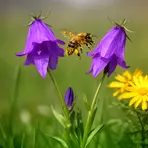
Reproducing by pollen or sex cells from the same species

Having pollen moved between different plants, usually by insects or wind
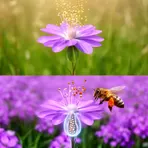
Able to make seeds only when pollen comes from unrelated plants
Antonyms

- Specialized
A plant that can use its own pollen to make seeds without pollen from another plant
How Self-Fertilizing

Surface Forms
Morphology
allogamous = allogamy (semi-transparent) = allo + gamy + ous
Formed from the technical noun 'allogamy' with the adjectival suffix '-ous'; the relation is clear within biological terminology but not to general learners.
Etymology
Allogamous comes from allo- meaning 'other' and -gamous from a root meaning 'marriage', as in monogamous. So an allogamous plant 'mates' with another plant — it needs pollen from a different plant to make seeds.

