

exogamic
- adjective
- /ˌɛksoʊˈɡæmɪk/
- Specialized
- Some plant species have evolved exogamic flowers to promote genetic diversity.
Examples
-
The exogamic tendency in these wildflowers ensures pollen comes from distant populations.
-
The exogamic structure of these orchids ensures that they can only be fertilized by pollen from unrelated individuals.
-
Researchers studied the exogamic mechanisms that prevent self-fertilization in the species.
-
The exogamic nature of these plants enhances genetic diversity.
-
Many flowers are exogamic, which helps them adapt to changing environments.
-
Many species of plants have developed exogamic traits to encourage cross-fertilization and enhance biodiversity.
-
To promote genetic variety, gardeners often select exogamic plants that thrive via cross-pollination.
Synonyms
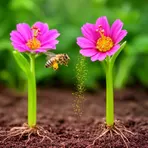
To make new plants by receiving pollen from a different plant of the same species

To marry or breed with members outside one's own group
Surface Forms
Morphology
exogamic = exogamy (transparent) = exo + gamy + ic
Formed by adding the adjective-forming suffix '-ic' to 'exogamy', so the relation is straightforward for learners who know 'exogamy'.
Etymology
Exogamic comes from Greek exo- 'outside' and -gamic from gamos 'marriage'. So an exogamic flower must get pollen from a different, outside plant, which helps make more variety and avoids fertilizing itself.

