

atomization
- noun
- /ˌætəmaɪˈzeɪʃən/
- Specialized
- The atomization of the material resulted in its complete destruction at the molecular level.
Examples
-
Nuclear explosions produce atomization effects, dispersing matter into its smallest components.
-
The atomization of the ancient artifact allowed scientists to study its material composition in detail.
-
Some industrial processes aim for total atomization to create fine powders or sprays.
-
The atomization process can be quite complex!
-
The atomization of the substance was crucial for the experiment.
-
During the process, the atomization of the chemicals resulted in a fine mist that filled the laboratory.
-
Effective atomization in manufacturing helps ensure that products meet quality standards by breaking down materials evenly.
Synonyms

 47
8.1
47
8.1

Complete destruction so nothing is left
 17
4.2
17
4.2
Breaking something into many small pieces with sudden force
 6
7.9
6
7.9
Complete destruction that leaves nothing behind
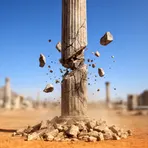 6
6.2
6
6.2
Something breaks into smaller pieces and falls apart
 5
6.3
5
6.3
Breaking something into small pieces, often by force


 1
8.2
1
8.2
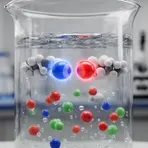
To turn a liquid or solid into tiny particles that float in the air
 1
7.0
1
7.0
A chemical process in which a molecule breaks into smaller parts or ions

A solid turned into a fine loose powder
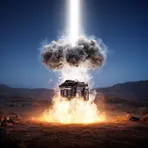
Complete destruction by turning something into gas, often by extreme heat
How Destroyed
- NSFW
47
8.1

- Specialized
90
4.8
849
3.0
885
1.4
Surface Forms
Morphology
Etymology
Atomization also links to the idea of breaking things into atoms because atom meant the smallest, 'uncuttable' piece. So atomization can mean destroying something by breaking it down to its tiniest parts or atoms, which is why the word can suggest total destruction.