
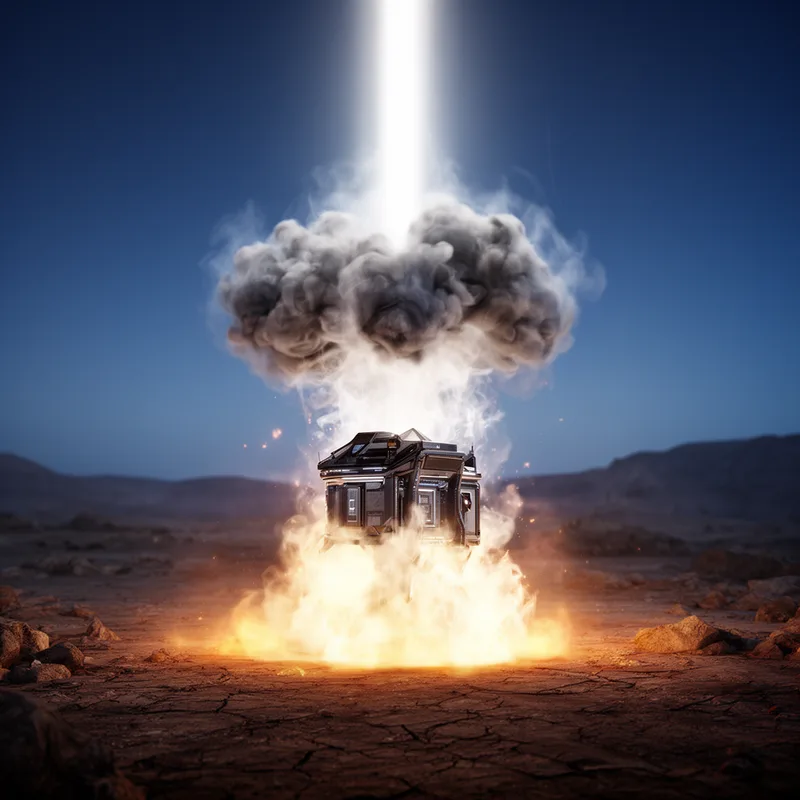
vaporization
- noun
- /ˌveɪpəraɪˈzeɪʃən/
- Specialized
 :
vaporación
:
vaporación
- Well-performed aspiration of perilymph will allow the rosette of laser vaporizations to be completed.
Examples
-
The vaporization of the substance occurred rapidly due to the intense heat applied during the experiment.
-
Scientists studied the vaporization process to better understand how materials change under extreme temperatures.
-
The vaporization of tissue requires rapid thermal elevation on the target with a low degree of penetration.
Academic text (1996) -
The planets might have formed in the aftermath of a supernova, but wouldn't the vaporization of the companion interfere with planet formation?
Academic text (1995) -
Depending upon the distance between the tip of the fiberoptic and the target, the effects will differ: when the fiberoptic is in actual contact with the target, one achieves vaporization and hence a sectioning effect.
Academic text (1996) -
According to The New York Times, administration officials privately predict that deterrence will work against Pyongyang: "The North Koreans know that a missile attack on the United States would result in the vaporization of Pyongyang," the paper quoted an official as saying.
Academic text (2006) -
During the demonstration, the instructor explained how vaporization can effectively destroy harmful chemicals using heat.
Synonyms

 15
3.2
15
3.2

A liquid that turns into a gas when heated or left in open air
 3
7.3
3
7.3
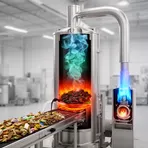
A process that turns solid or liquid material into gas for fuel
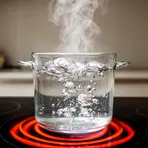
Heating a liquid until it turns into steam
Antonyms


Compounds

- Specialized
Amount of heat needed to turn a liquid into steam without raising its temperature
Surface Forms
Morphology
Etymology
Vaporization comes from the same parts: vapor 'steam' and -ization 'the act of making', so it can also mean destroying something by turning it into vapor. That's why in stories and reports total vaporization means nothing is left but a cloud of gas.