
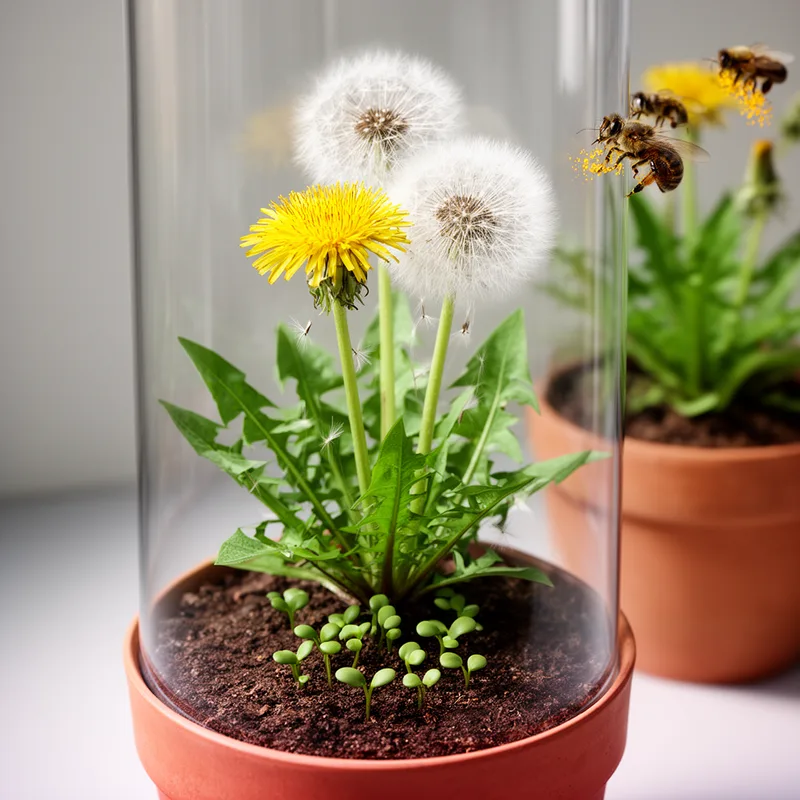
apomictic
- adjective
- /ˌæpəˈmɪktɪk/
- Specialized
- In apomictic plants, embryos grow from cells without being fertilized by pollen from males, thus preventing the introduction of undesired traits.
Examples
-
Apomictic reproduction enables certain plants to produce seeds that are genetically identical to the parent.
-
Many species of grass are apomictic, allowing them to reproduce without the need for fertilization.
-
The mechanism of apomictic reproduction helps plants thrive in environments where pollinators are scarce.
Synonyms


 1
9.9
1
9.9
Producing young from eggs without a male
A plant that makes seeds without being fertilized
Relating to plants that make new plants without fertilization

Developing into a new plant or embryo without being fertilized
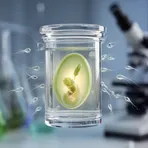
Describing when an embryo forms without fertilization
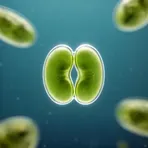
Reproduction in which male and female sex cells do not join
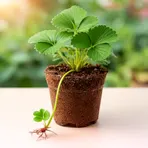
Reproducing without a male and female joining to make young

Relating to reproduction where a living thing makes young without mating or fertilization
Antonyms

Surface Forms
Morphology
Etymology
The word apomictic comes from Greek parts apo- ('away from') and mixis ('mixing'), and you can see the same idea in the English word mix. So, an apomictic plant makes seeds 'without fertilization' — that is, the seed is made 'without mixing' with another plant, producing a copy of the parent.