
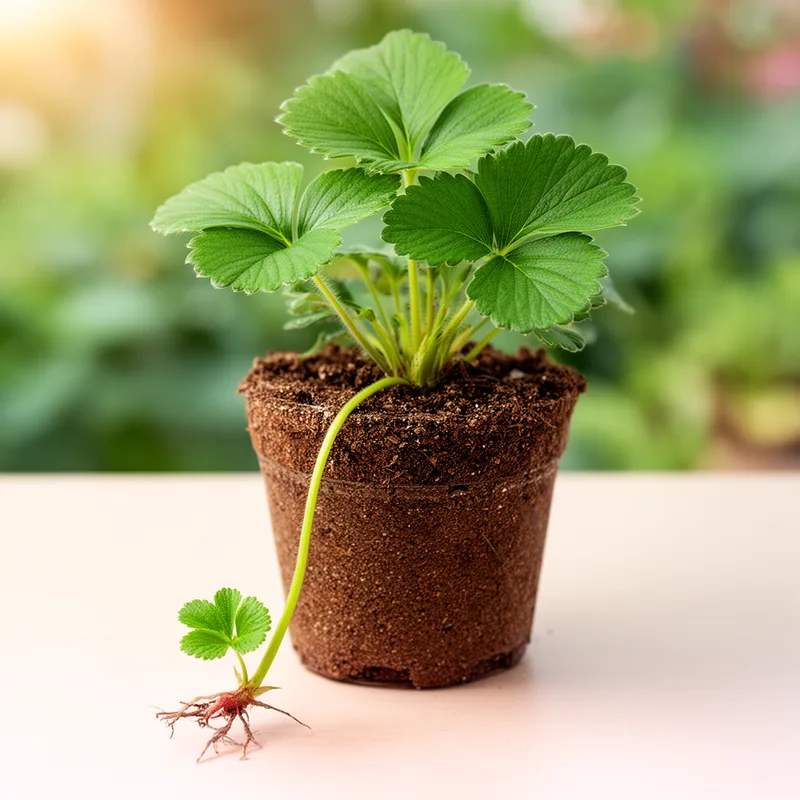
agamic
- adjective
- /əˈɡæmɪk/
- Specialized
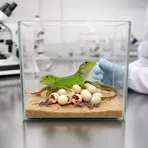
- Some lizards can breed agamically, without needing a mate.
Examples
-
The term agamic refers to asexual reproduction.
-
Some species of plants reproduce through agamic methods.
-
Many plants are capable of agamic reproduction, producing offspring without seeds.
-
The scientist studied how certain insects developed through agamic methods.
-
Many plants reproduce agamically, creating new growth without the need for seeds or pollen.
-
Some types of lizards can reproduce agamically, allowing them to thrive in isolated environments.
-
The study focused on how specific fungi utilize agamic reproduction to spread rapidly.
Synonyms


 1
9.9
1
9.9
Producing young from eggs without a male

Reproduction in which male and female sex cells do not join

Relating to reproduction where a living thing makes young without mating or fertilization
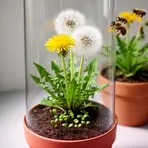
Making seeds or young plants without being fertilized
Surface Forms
Morphology
agamic = gamic (semi-transparent) = a + gamic
The negative prefix 'a-' is clear, but the root 'gamic' is a specialized combining form that many learners may not know, so the overall sense is only partly obvious.
Etymology
Agamic comes from the prefix a- meaning 'not' and the root gam meaning 'marriage' or 'joining', the same root you see in monogamy and polygamy. So agamic describes reproduction 'without joining' — making offspring without the sexual joining of male and female sex cells.