

parthenogenetic


 1
9.9
1
9.9
- adjective
- /ˌpɑrθənoʊdʒəˈnɛtɪk/
- Specialized
- A few types of fish, amphibians, lizards, and certain lab mice have discovered a way to give birth to parthenogenetic daughters without the assistance of a male of the species.
- parthenogenetic shrimp
Examples
-
In the few places where sexual and asexual species live in the same pond (mostly in Spain), the sexual species flourish during the cool winter months, but the parthenogenetic species predominates during the summer, when salinities and temperatures are higher.
Academic text (1994) -
A parthenogenetic female that desires to procreate with a male will give birth to non-parthenogenetic daughters and sons.
Blog text (28) -
Despite their success in Europe, Asia, and Africa, parthenogenetic brine shrimp do not occur in the New World.
Academic text (1994) -
North America, by contrast, has approximately 12% of the world's Insecta in all the same taxa, even the parthenogenetic ones.
Academic text (1996) -
This suggests that the branching of the parthenogenetic lineage from the sexual ancestral stalk was relatively ancient.
Academic text (1994) -
Because species are usually defined by their reproductive isolation from other species, parthenogenetic organisms present a number of taxonomic problems, and brine shrimp are no exception.
Academic text (1994) -
Parthenogenesis occurs throughout the animal kingdom (including lizards, amphibians, fish, and numerous invertebrates), but only a few, like these brine shrimp, are obligately parthenogenetic.
Academic text (1994) -
Once, while photographing aphids, I noticed a slightly larger specimen and witnessed an unusual phenomenon in insect life—a live birth by a parthenogenetic female aphid.
Academic text (1999) -
Black vine weevils are parthenogenetic, meaning females can lay viable eggs without the need for males.
-
Some insects are parthenogenetic, allowing them to reproduce without male fertilization.
Synonyms
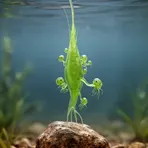
Relating to reproduction where a living thing makes young without mating or fertilization
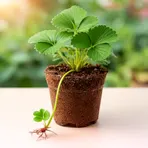
Reproducing without a male and female joining to make young
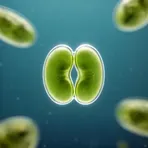
Reproduction in which male and female sex cells do not join
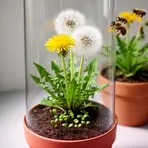
Making seeds or young plants without being fertilized
Surface Forms
Morphology
Etymology
The word parthenogenetic comes from Greek parts partheno- meaning 'virgin' and -genetic from the same root as generate and genesis, meaning 'birth' or 'origin'. So, parthenogenetic describes a 'virgin birth' and is used for animals that can reproduce without males.