
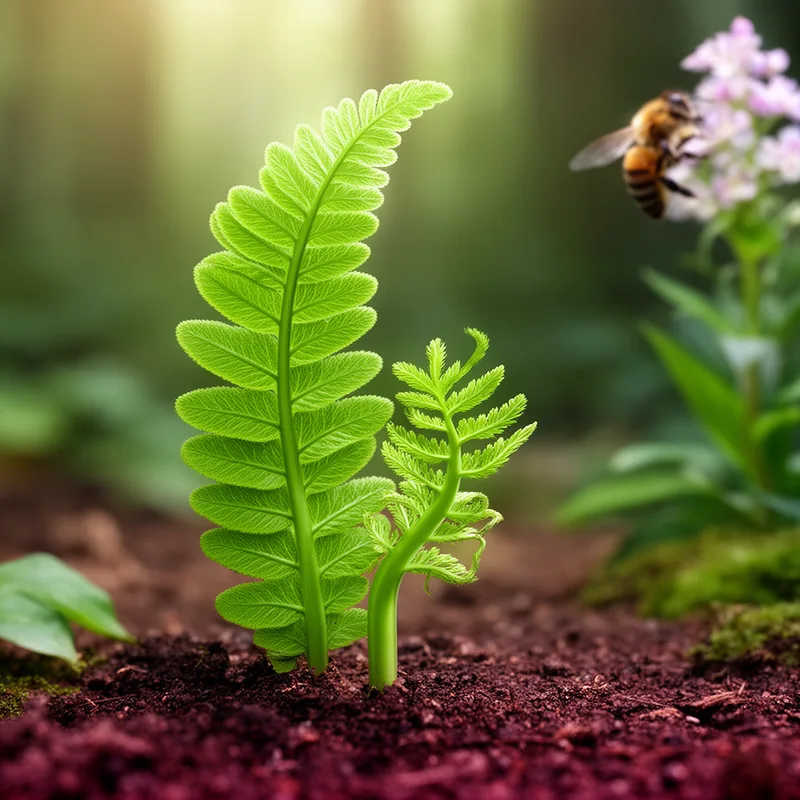
apogamous
- adjective
- /ˌæpəˈɡeɪməs/
- Specialized
- Many ferns are known to reproduce through apogamous processes, avoiding the need for fertilization.
Examples
-
The researcher observed that the plant's apogamous development led to viable offspring even in the absence of pollen.
-
The apogamous process allows certain plants to reproduce without fertilization.
-
Certain species exhibit apogamous reproduction as an adaptation to unstable environments.
-
Some plants are apogamous.
-
Certain species exhibit apogamous reproduction as an adaptation to unstable environments.
-
Many ferns are known to reproduce through apogamous processes, avoiding the need for fertilization.
-
The researcher observed that the plant's apogamous development led to viable offspring even in the absence of pollen.
Synonyms

Developing into a new plant or embryo without being fertilized
Describing when an embryo forms without fertilization
A plant that makes seeds without being fertilized
Making seeds or young plants without being fertilized
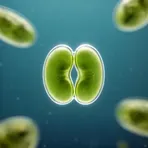
Reproduction in which male and female sex cells do not join

Relating to reproduction where a living thing makes young without mating or fertilization
Surface Forms
Morphology
Etymology
Apogamous comes from the prefix a- meaning 'without' and the Greek root gamos meaning 'marriage', the same root you see in monogamy and polygamy. So, apogamous describes plants that make new plants 'without' mating or fertilization.

