
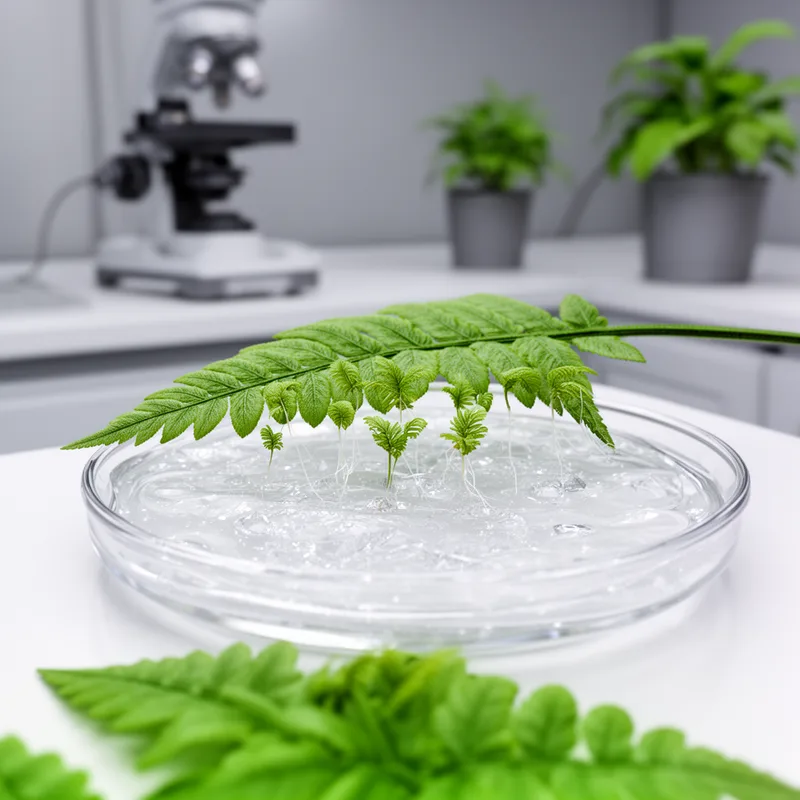
apogamic
- adjective
- /ˌæpəˈɡæmɪk/
- Specialized
- The apogamic process allows plants to reproduce without fertilization.
Examples
-
Some fern species reproduce through an apogamic process, bypassing the need for fertilization.
-
Some species exhibit apogamic reproduction under certain environmental conditions.
-
Researchers observed apogamic development in several rare flowering plants in the study.
-
The apogamic nature of this species allows it to produce offspring clones without seeds.
-
Researchers observed apogamic development in several rare flowering plants, demonstrating their ability to reproduce without fertilization.
-
Some fern species undergo an apogamic process that enables them to thrive in environments where fertilization is not possible.
-
The apogamic reproduction of this plant ensures that it can produce genetically identical clones, allowing for rapid population growth.
Synonyms
Relating to plants that make new plants without fertilization
Describing when an embryo forms without fertilization
A plant that makes seeds without being fertilized
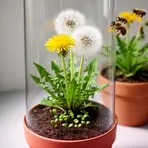
Making seeds or young plants without being fertilized
Surface Forms
Morphology
apogamic = apogamy (opaque) = apo + gamy + ic
Forming an adjective from the noun 'apogamy' using the productive suffix '-ic' is a regular, clear derivation.
Etymology
The word apogamic comes from Greek parts apo- meaning 'away from' and gamos meaning 'marriage' or 'union'. So a helpful way to remember apogamic is to think of an embryo formed 'away from union', which is why the word describes plants that develop without fertilization.

