

anteater
- noun
- /ˈæntiˌtɚ/
- Australian
- That's not their real name, which I won't mention because what reminded me of them is that I've always thought Don Bartlett looks a little bit like an anteater.
Examples
-
You probably heard on the news talk about this spiny anteater that has some viruses that are similar.
-
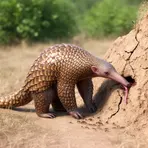
The spiny anteater uses its long snout to dig for ants in the soil.
-
In Australia, the anteater is known for its unique method of feeding on termites.
-
The anteater has strong claws that help it break into termite mounds.
Synonyms

 2
9.9
2
9.9

A small spiny mammal from Australia and New Guinea that lays eggs and eats ants

A small Australian animal with a pouch, long snout, and strong claws that eats termites
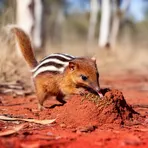
A small Australian animal with a long nose that eats termites

A small Australian animal with a pouch, long snout, and strong claws that eats termites and is almost extinct
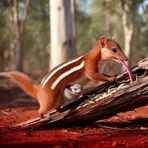
A small Australian animal with a pouch that eats termites and has stripes

A mammal that digs burrows, lays eggs, has sharp spines, and eats ants and termites
Compounds
- Australian
A small Australian animal with a pouch, long snout, and strong claws that eats termites and is almost extinct
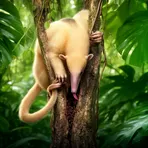
A small animal that eats ants and uses its tail to hold branches in Central and South American tropical forests
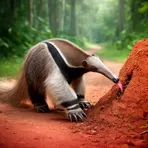
A large mammal from South America with a long tongue and claws that eats ants and termites

A large furry animal from South America with a long snout and tongue that eats ants

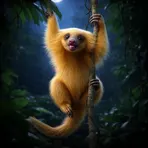
A small animal that lives in trees in Central and South America with long golden fur and no teeth
- Australian
A mammal that digs burrows, lays eggs, has sharp spines, and eats ants and termites
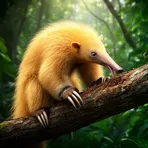
A small South American animal that eats ants, with long golden fur and two claws on each front foot
How Big

Surface Forms
Morphology
Etymology
Anteater is formed from ant + eater, which literally means 'one who eats ants', and that name fits small Australian animals like the numbat and the spiny anteater because they use long tongues and claws to catch ants.