

ant
 308
1.0
308
1.0

- noun
- /ænt/
- Another valued service rendered to ant plants by their ants is defense against herbivores.
- an ant colony
- ants eat
- food for ants
Loading YouTube…
Watch on YouTubeSo how does the Ant then know what to do?
- So how does the Ant then know what to do?
- And he's made me a little Ant in this Ant colony.
- So for example, we had a full Ant infestation in our kitchen.
- The ants, the army of ants was there to protect the plant.
- Ergo, we should be doing more to protect the ants by avoiding climate change.
- People on the street just look like ants, the cars look like little matchbox toys.
Examples
-
OK, first let's try to capture one of the harvester ants, OK?
-
"I was just going to say, no ant is going to make a hole like that."
Fiction book (1990) -
Jerry, I'm sitting here with an ant problem.
-
So for example, we had a full Ant infestation in our kitchen.
-
In each case, benefits accrue to both ants and plants when they live together.
Academic text (1993) -
Oh my God, there's an Ant nest in the beam.
-
And then they swarm out like ants on a disturbed Ant hill.
-
The gardener was happy to see the ants working together to build their colony.
-
During the picnic, we noticed ants crawling on the picnic blanket, looking for crumbs.
-
He carefully observed the ants as they marched in a line, each carrying a piece of food.
Synonyms
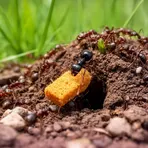


Idioms

- Archaic
A small action that does almost nothing to change a big problem
Compounds

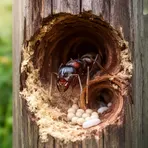

- South African
 1
9.1
1
9.1
A large tropical ant that moves in long lines and hunts other insects


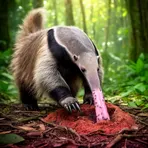
A large hairy South American mammal with a long tongue and strong claws for eating ants


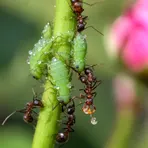

- Specialized
A bird from Central and South American forests that follows army ants to eat insects
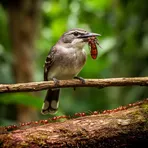

- Specialized
A small reddish ant that raids other ant nests and uses captured workers for all tasks


A very small shiny black insect that lives in groups and often comes into houses for food

- Specialized
A small yellowish-red ant that often lives in houses and is hard to get rid of

- Specialized
A small yellow or red ant that lives in houses in warm places and is hard to get rid of

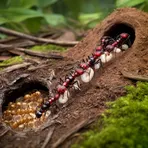
- Specialized
An ant that attacks other ant nests and takes their young to raise as workers in its own nest

- Specialized
An ant that another species takes as a baby and raises to work in its nest
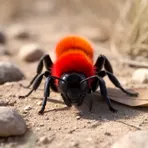

How Small

Surface Forms
Etymology
Ant comes from an old German word for the small insect, and an older English dialect form was emmet. Because people long noticed these tiny, busy 'workers' living together, ant still means a small, hardworking insect that lives in groups.