

Ricinus


 1
9.9
1
9.9
- proper noun
- /ˈrɪsɪnəs/
- Specialized
- For example, the stems of mamona (Ricinus communis), hung from the necks of African wet nurses, were thought to reduce the pain of constant lactation.
Examples
-
The plant Ricinus is widely cultivated for its seeds, which are used to extract oil.
-
I found that Ricinus communis produced lots of seeds very easily that germinated quickly.
Blog text (15) -
Ricinus communis is commonly known for its ability to produce castor oil.
-
In gardening, Ricinus is appreciated for its large leaves and tropical appearance.
Synonyms
 5
5.5
5
5.5
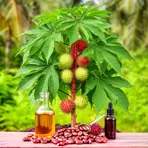
A tropical plant with large leaves whose seeds are used to make oil and medicine
 1
8.6
1
8.6
A tall tropical plant with big leaves and spiny seed pods whose seeds make castor oil and are very poisonous

A large tropical bush with wide leaves that has seeds used for castor oil and contains a poison called ricin

A large tropical shrub with big hand-shaped leaves and spiny seed pods that give seeds used to make castor oil

A large tropical shrub with palm-like leaves grown for seeds that make castor oil and are poisonous
Compounds
- Specialized
1
8.6
A tall tropical plant with big leaves and spiny seed pods whose seeds make castor oil and are very poisonous

- Specialized
A small tick in Europe that bites mammals, including humans, and can spread Lyme disease
Surface Forms
Etymology
Ricinus comes from Latin ricinus, which means 'tick', since the castor-bean seeds look like little ticks. That's why the genus for the castor-oil plant has that name today.