
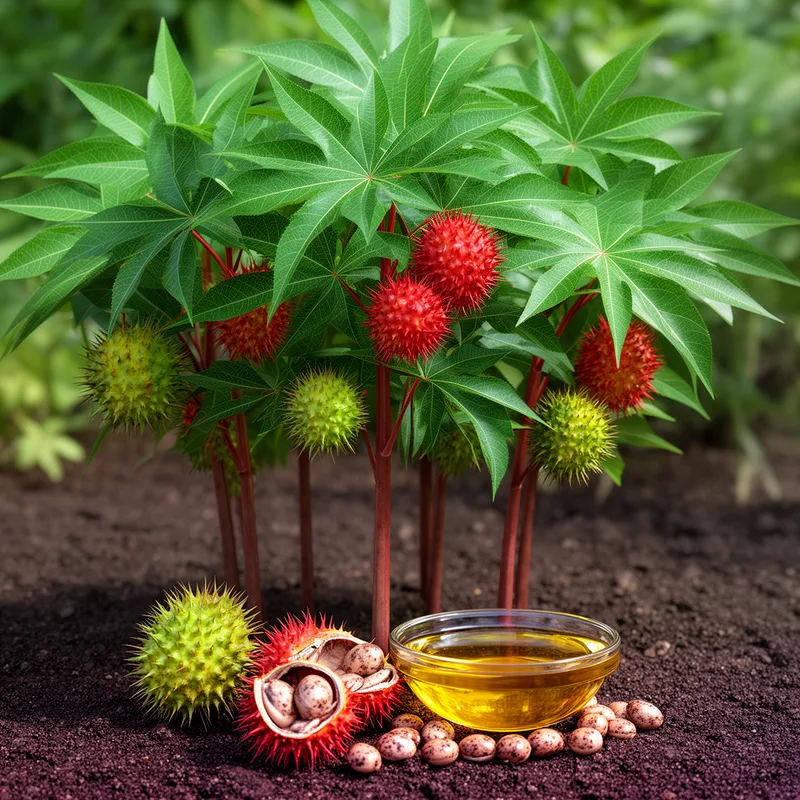
Ricinus


 1
9.6
1
9.6
- noun
- /ˈrɪsɪnəs/
- Specialized
- Ricinus communis.
- Ricinus ixodes
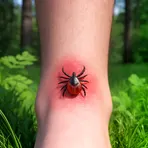
- ricinus tick
Examples
-
Transmission of B. microti has been detected in other bird species; positive I. ricinus tick larvae have been found feeding on European robins (Erithacus rubecula) (32) and other birds (30, 31).
Academic text (2012) -
There are also creams that contain Ricinus herbs along with this.
Blog text (19) -
The oil extracted from Ricinus is often used in traditional medicine.
-
Farmers grow Ricinus for its seeds, which are known to be toxic.
-
The Ricinus plant is distinguished by its large leaves and spiky seed pods.
Synonyms
 5
5.5
5
5.5
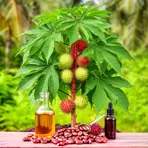
A tropical plant with large leaves whose seeds are used to make oil and medicine
 1
8.6
1
8.6
A tall tropical plant with big leaves and spiny seed pods whose seeds make castor oil and are very poisonous

A large tropical bush with wide leaves that has seeds used for castor oil and contains a poison called ricin

A large tropical shrub with palm-like leaves grown for seeds that make castor oil and are poisonous
Compounds
- Specialized
1
8.6
A tall tropical plant with big leaves and spiny seed pods whose seeds make castor oil and are very poisonous
- Specialized
A small tick in Europe that bites mammals, including humans, and can spread Lyme disease
Surface Forms
Etymology
Ricinus comes from the old Latin word ricinus, meaning 'tick', because the shiny seeds of the castor-oil plant look like small ticks. So botanists used that word as the plant's genus name.