

castor bean plant
- noun
- /ˈkæstər bin plænt/
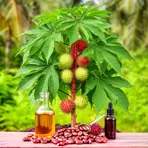
- The castor bean plant is recognized for its large, palmate leaves and spiny capsules.
Examples
-
The castor bean plant is grown for its seeds, which yield valuable castor oil.
-
The castor bean plant thrives in tropical climates.
-
Farmers in tropical countries sometimes cultivate the castor bean plant for commercial purposes.
-
She recognized the distinctive large leaves of the castor bean plant in the botanical garden.
-
Many gardeners prefer the castor bean plant for its unique leaves.
-
Farmers in tropical countries sometimes cultivate the castor bean plant for its valuable seeds.
-
In the garden, the castor bean plant stands out with its distinctive foliage.
Synonyms
 5
5.5
5
5.5

A tropical plant with large leaves whose seeds are used to make oil and medicine


 1
8.6
1
8.6
A tall tropical plant with big leaves and spiny seed pods whose seeds make castor oil and are very poisonous
 1
9.9
1
9.9
A group of plants that includes the castor bean whose seeds make castor oil and are poisonous

A large tropical bush with wide leaves that has seeds used for castor oil and contains a poison called ricin

A large tropical shrub with palm-like leaves grown for seeds that make castor oil and are poisonous
How Poisonous

- Specialized
4
9.9
- US
35
1.6
80
1.0
Surface Forms
Morphology
The meaning is directly compositional: it denotes the plant that bears castor beans, which a learner can infer from 'castor' (the plant/seed producing castor oil), 'bean', and 'plant'. This straightforward noun-noun compound follows common cross-linguistic patterns, so a B1 learner who knows the constituents should be able to derive the MWE meaning.
Etymology
The plant castor bean plant is named after its seeds, called castor beans, which grow inside spiny pods and are pressed to make castor oil. Because the same seeds also contain a strong poison called 'ricin', people grow the plant for oil but handle the seeds carefully.