

Mongol
 5
6.0
5
6.0

- proper noun
- /ˈmɒŋɡəl/
- Many historians study the impact of the Mongol invasions on the cultures of Europe and Asia.
- Mongol invasion
Loading YouTube…
Watch on YouTubeThe Chinese say this about the Mongols, the Romans about the Huns.
- The Chinese say this about the Mongols, the Romans about the Huns.
- But like the Mongols of old, it was recognized that generations born into such comfort would grow soft.
- And then it gets toppled by the Mongols or by the, you know, whoever.
- OK, so now I want to, I want to remind you of of the Mongols, but in a slightly different way.
- But that that does not help the guy whose family all gets rolled up in rugs by the Mongols and trampled to death.
Examples
-
The Mongol Empire, founded by Genghis Khan, was one of the largest empires in history.
-
The question remains, why were the Mongols so ineffective in India?
-
Also, that you might still join with me to spread the name of the Mongol nation.
-
But it is not fitting that a Mongol should deliver the death blow.
-
In the four years of war, the Mongol Empire had transformed.
-
A unified Mongol nation, not just separate warring tribes.
-
Under Chingis Khan, the Mongols first subdued northern China and the eastern Islamic lands.
-
The traditions of the Mongol people are celebrated in various festivals across Mongolia.
Synonyms
 7
9.9
7
9.9
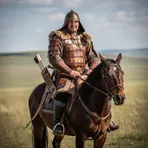
A person from a Mongol group in Central Asia who invaded Russia and Eastern Europe in the 13th century
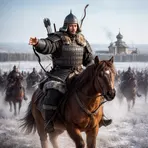
A person from the Mongolian people of Central Asia who invaded Russia in the 1200s
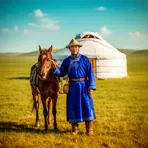
A person from Mongolia who lives as a nomad on the steppe
Compounds

 1
7.9
1
7.9
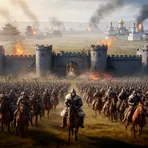
A series of Mongol attacks in the 1200s and 1300s that took control of much of Asia and Eastern Europe
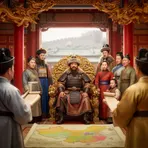

A large empire started by Genghis Khan in the 1200s that stretched across much of Asia into Europe
Surface Forms
Etymology
Mongol as a proper name comes from the people who called themselves Mongol, from a root like mong- that may have meant 'brave' or 'eternal'. That's why Mongol can name a member of the Central Asian group known for forming a large empire.