
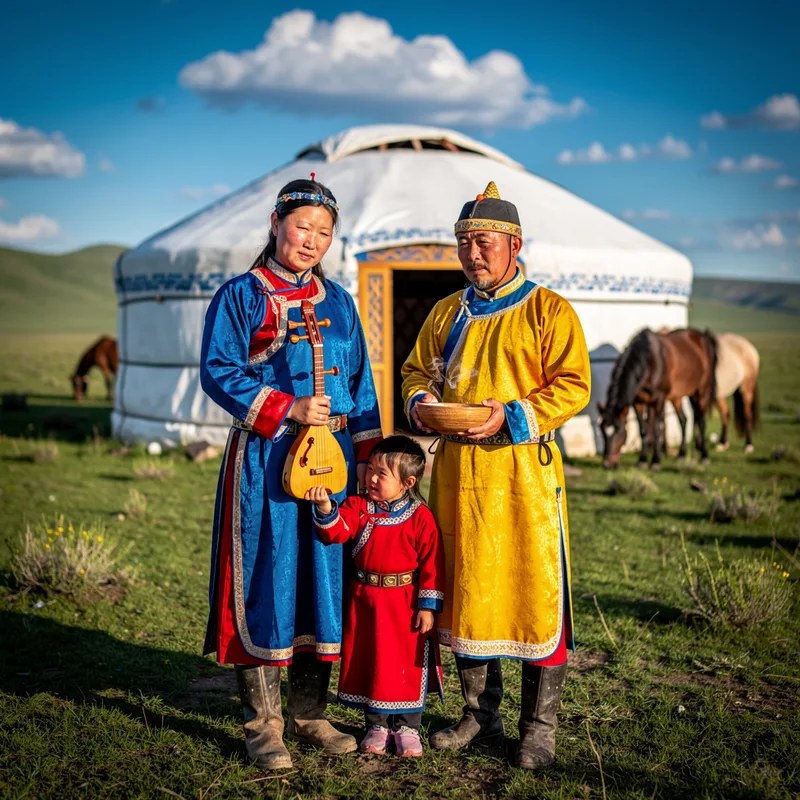
Mongol
 3
6.0
3
6.0

- adjective
- /ˈmɒŋɡəl/
- True, Ukraine "has been part of Russia for centuries," but it has been no less a part of the Mongol Empire, the Grand Duchy of Lithuania, the Polish Commonwealth, the Habsburg Empire, and the Ottoman Empire.
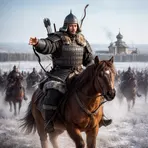
- Mongol Empire
Loading YouTube…
Watch on YouTubeWith that, we turn eastwards to Mongol rule in China.
- With that, we turn eastwards to Mongol rule in China.
- We know that state functions were held by nobles from various post Mongol families.
Examples
-
After the Yuan's collapse, other Mongol tribes exerted influence in Tibetan politics, as rivaling Tibetan groups appealed for Mongol assistance on several occasions.
Academic text (1997) -
Gold brocade clothed the Mongol rulers, covered their horses, and lined their tents.
-
And what do you think of them, with this wild dream of yours of a Mongol nation?
-
So he had so many offspring that he is still leaving his legacy on the men in the Mongol area to this day.
-
And when the conquest was finished... half the population of the world was contained in the Mongol Empire...
-
The Russian Empire was the second largest contiguous empire in world memory; only the Mongol Empire had been greater.
Blog text (24) -
Consider the fall of ancient Rome and see; from there go to the great Mongol Empire; then go back to the mighty dynasties of China.
Blog text (18) -
The formalization of traditional knowledge about livestock husbandry began in the nineteenth century with the writings of the Mongol noble To-van.
Academic text (1999) -
It would be these men who led their tumets to conquer the vast Mongol Empire, often acting as the vanguard for the main horde which followed in their destructive wake.
-
The traditional cuisine of Mongolia features various dishes that highlight the Mongol way of life.
Synonyms
 12
4.3
12
4.3
Relating to Mongolia, its people, language, or culture
Compounds

 1
7.9
1
7.9
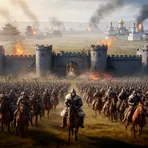
A series of Mongol attacks in the 1200s and 1300s that took control of much of Asia and Eastern Europe
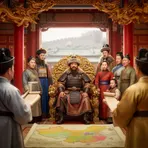

A large empire started by Genghis Khan in the 1200s that stretched across much of Asia into Europe
Surface Forms
Etymology
Mongol as an adjective comes from the same name for the people and their land, from a root like mong- that may have meant 'brave' or 'eternal'. So when we say something is Mongol we mean it is from Mongolia or related to its people and culture.